
Teams | Collaboration | Customer Service | Project Management

Using Time Tracking Data for Capacity Forecasting (3-Step Guide)

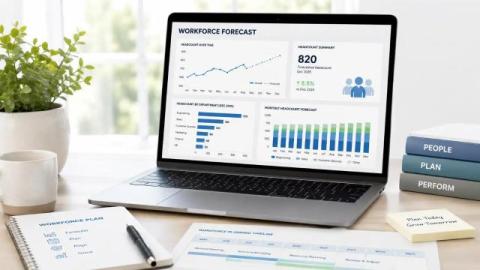
You said yes to a project because the headcount looked fine. Three weeks in, your top person is stretched. Plus, you’re missing the deadline. Even worse, nobody saw it coming. Well, it happened because you made the schedule based on your team members' availability. No worries, I’ve made this write-up to fix things up. I’ll share with you the ways of using time tracking data for capacity forecasting.

ROI of Time Tracking: What It Is and How to Measure It

How much billable time did your team lose last month? One missed hour per person per week, at an average hourly rate of $150. It costs a 10-person firm $75,000 in lost billable hours revenue each year. That's the real cost of weak time tracking returns. This write-up breaks down where the return on investment actually comes from. Most importantly, how to calculate the ROI of time tracking, and what stops most businesses from capturing it.

How to Audit Your Time Tracking Process: 7 Steps to Clean Data

An employee submits a time log showing 40 hours. The project budget shows 60 consumed. Yet nobody on the team can explain the difference. This mismatch isn’t from dishonesty. It comes from a process that’s never been audited. Rounded numbers, missing tags, and end‑of‑week recall instead of real‑time logging add up fast. That’s the reason I’ll show you how to audit your time tracking process in 7 steps.

How to Implement Time Tracking in a Company the Right Way

You announce time tracking apps to the team. Within a week, half your team is asking if they're being watched. Even worse, you see incomplete logs, and one person has logged eight hours of "project management" with no context. That's not a software problem. It's a rollout problem. Up next, you’ll know how to implement time tracking in a company without losing team trust. I’ll cover everything from writing your first policy to reviewing data that helps to implement.

How to Reduce Resistance to Time Tracking Among Employees: 6 Simple Steps

Most managers assume employee resistance is about the time-tracking software itself. It's not. Most employees who resist time tracking aren't afraid of accountability. Instead, they are reacting to fear and unclear data policies. Most crucially, a system that hands all the visibility to managers and none to them. Let’s break down why this happens and how to reduce resistance to time tracking among employees.

The Impact of Outdated Quality Assurance Tools in Call Centers

Every contact center operates for one purpose: great customer service. But when your QA is still manual, you are already losing ground at this point. Outdated tools leave 95%+ of interactions unanalyzed, create biased scoring, and push your best agents toward burnout. The result? Lower CSAT, higher turnover, and mounting compliance risk. Traditional QA tools are not enough anymore when modern solutions are available.

Tips to Make Call Center Agents More Productive

Unlike other jobs, call center work is more relentless. Here, a service center agent has to work between back-to-back calls, solve complex customer issues, and go through constant pressure. By working in that roller coaster work culture, it’s easy for virtual call center agents to feel burnt. So, in this blog, we are going to discuss effective tips that will help you make your agents more productive.

Time Management Tips for Call Center Agents

No matter what hectic job you are in, time management is the key to better results. The better you can manage time and handle issues, the more efficiently you can achieve your goals. In call center customer service, time management is your weapon. Call centers need to master their time management skills in order to maintain service quality and reach daily goals. In this blog, we are going to share the ultimate proven time management tips for call center agents. So, let’s dive in.

12 Standard Call Center Metrics and KPIs to Measure Performance

Most teams track everything and act on nothing. The real issue is knowing which ones signal a genuine problem and which ones just fill a dashboard. Today, I’ll walk you through the standard call center metrics and KPIs to measure performance. You’ll learn what each benchmark looks like and how to read the numbers before they turn into problems.