
The Complete Guide to AI Funnel Builders: What They Are and How They Work
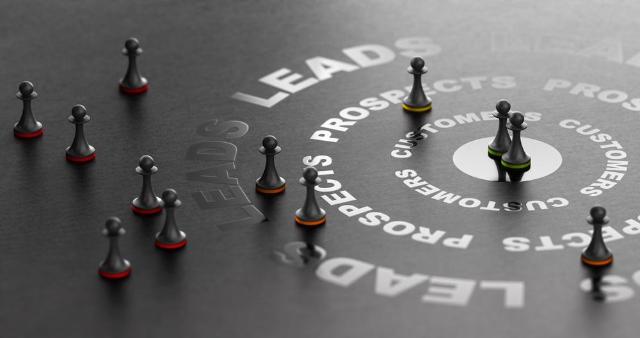
Image Source: depositphotos.com
Marketing funnels have changed dramatically over the past decade. What once required months of manual setup and constant tweaking now takes days or even hours. The reason? AI funnel builders.
These tools combine automation with data analysis to help businesses create sales funnels faster and with better results. Let's break down what they are, why they matter, and how to choose the right one for your needs.
Understanding the Basics of Sales Funnels
Before diving into AI-powered solutions, we need to understand what a sales funnel does.
A sales funnel represents the journey a customer takes from first hearing about your business to making a purchase. Think of it as a series of steps:
- Awareness
- Someone learns about your product or service
- Interest
- They engage with your content and learn more
- Consideration
- They weigh your offer against others
- Decision
- They buy or take the desired action
Traditional funnel builders required marketers to manually create landing pages, set up email sequences, and track results across multiple platforms. This approach consumed time and often led to inconsistent data.
What Makes AI Funnel Builders Different
An AI funnel builder uses machine learning and data processing to automate and improve funnel creation. Here's what sets them apart:
Speed of deployment. Rather than starting from scratch, these tools generate funnel templates based on your industry and goals. You can launch a complete funnel in hours instead of weeks.
Data-driven recommendations. AI analyzes your audience behavior and suggests copy changes, design tweaks, and timing adjustments. It learns what works for your specific market.
Personalization at scale. These platforms tailor content and offers to individual visitors based on their behavior, location, device, and past interactions. This level of customization would take a team of developers to build manually.
Continuous testing. AI funnel builders run A/B tests automatically, testing headlines, images, calls to action, and page layouts without requiring manual setup.
How AI Analyzes Funnel Performance
The real power of AI funnel builders lies in their analysis capabilities.
These tools track dozens of metrics in real time. They measure click-through rates, conversion rates, average order value, customer lifetime value, and bounce rates. But they go further than just reporting numbers.
AI identifies patterns in your data. It spots which traffic sources bring the highest-quality leads. It recognizes which email subject lines get opened most. It finds the exact moment in your funnel where visitors drop off.
Once the AI identifies these patterns, it makes suggestions. It might recommend that you focus more budget on your best-performing traffic source. It might suggest rewording a page headline based on what similar successful funnels use. It might flag that visitors from a certain geographic region need a different offer to convert.
Key Features to Look For
Not all AI funnel builders offer the same capabilities. Here's what matters:
Template library. A strong builder offers templates for different industries and goals. E-commerce funnels look different from service-based funnels, which differ from lead generation funnels. The more templates available, the faster you start.
Landing page editor. You need a drag-and-drop editor that doesn't require coding knowledge. The best tools offer pre-built sections you can customize rather than building from blank pages.
Email integration. Your funnel needs to connect with email platforms to send automated sequences. Look for integrations with major providers like ConvertKit, Mailchimp, or ActiveCampaign.
Analytics and reporting. The platform should show you clear dashboards with the metrics that matter. You want to see conversion rates, revenue per visitor, and funnel drop-off points at a glance.
Segmentation tools. The ability to split your audience into groups based on behavior, demographics, or actions they've taken is essential. This lets you show different messages to different people.
Mobile responsiveness. Your funnel must work perfectly on phones and tablets. More than half of web traffic now comes from mobile devices.
Common Funnel Types and When to Use Them
Different businesses need different funnel structures.
Lead generation funnels work best for service providers, consultants, and B2B companies. These funnels focus on collecting contact information through a valuable offer like a guide or webinar. The goal is to build a list of interested prospects.
Sales funnels suit e-commerce and product-based businesses. These funnels move visitors from product discovery through checkout. They typically include product pages, comparison pages, and a cart abandonment sequence.
Webinar funnels work for educational content and high-ticket offers. They drive registration, send reminders, deliver the webinar, and then follow up with an offer. The AI can optimize timing and messaging to boost attendance and conversions.
Membership funnels are designed for courses, communities, and subscription services. They focus on onboarding new members and keeping them engaged.
Launch funnels create urgency around a new product or service. These funnels typically run for a limited time and use scarcity and countdown timers to drive action.
How to Structure Your Funnel for Success
The best funnel structure depends on your business, but certain principles apply across all types.
Start with a clear goal. Know exactly what action you want visitors to take. More specificity leads to better results. "Get email signups" is clearer than "generate interest."
Remove friction. Each step should be obvious and easy. Minimize form fields, reduce page load time, and make your call to action stand out.
Tell a story. Your funnel should guide visitors through a logical narrative. Page one introduces the problem. Page two shows your solution. Page three proves it works. Page four asks for the sale or signup.
Use social proof. Include testimonials, case studies, and reviews. Show that other people have gotten results. This builds trust and increases conversions.
Follow up consistently. Most people don't buy on the first visit. Your funnel should include email sequences that stay in touch with interested prospects and remind them of your offer.
The Role of Copywriting in Your Funnel
No amount of AI sophistication replaces good writing.
Your headlines need to grab attention and make a promise. Your body copy should explain the benefit, not just the feature. Your call to action should be clear and compelling.
AI funnel builders help by suggesting what works based on data from thousands of other funnels. They might recommend shorter headlines or longer descriptions. They might flag when your copy uses too much jargon. But you still need to write the actual words.
The best approach combines human creativity with AI recommendations. Write your copy, then let the AI test it and suggest improvements.
Measuring What Matters
Tracking the right metrics tells you if your funnel works.
Conversion rate is the percentage of visitors who take your desired action. If 100 people visit your page and 5 buy, your conversion rate is 5%.
Cost per acquisition is how much you spend in advertising to get one customer. If you spend $500 on ads and get 10 customers, your cost per acquisition is $50.
Return on ad spend (ROAS) shows how much money you make for every dollar spent on ads. A 3:1 ROAS means you make $3 for every $1 spent.
Customer lifetime value is the total profit you expect from a customer over your entire relationship. This matters more than a single purchase.
Email open rate and click rate show how engaged your audience is with your messages.
AI funnel builders track all these metrics automatically. They show you which parts of your funnel are working and which need improvement.
Choosing the Right Platform
With many options available, selection matters.
Start by listing your specific needs. Do you need email marketing built in, or do you already have a platform? Do you sell products or services? Do you need advanced segmentation? Do you have a budget limit?
Then test platforms with free trials. Most offer 14 to 30 days free. Build a simple funnel and see how the interface feels. Check if customer support responds quickly. Look for users in your industry and read their reviews.
Consider the learning curve. Some platforms are simpler but less powerful. Others offer more features but require more training. Choose based on your team's skill level.
Think about growth. Pick a platform that scales with your business. You don't want to outgrow it in six months.
Getting Started With Your First Funnel
Building your first funnel doesn't need to be complicated.
Pick one goal. It might be collecting email addresses, selling a single product, or registering people for an event.
Choose a template that matches your goal. Customize the copy and images to match your brand.
Set up your email follow-up sequence. Decide what messages you'll send after someone takes action.
Test everything. Visit your funnel on desktop and mobile. Click every link. Fill out every form. Make sure it works smoothly.
Launch with a small amount of traffic first. Send your email list or run a small ad campaign. Watch what happens.
Use the data to improve. If your conversion rate is low, test different headlines or offers. If people leave at a certain page, redesign that page.
The Bottom Line
AI funnel builders make it possible for small teams to create marketing funnels that rival what large companies build. They save time, reduce errors, and help you make better decisions based on data.
The best results come from combining these tools with clear thinking about your customer, compelling copy, and consistent testing. Start simple, measure everything, and improve based on what you learn.
Your funnel is one of the most important parts of your business. Getting it right pays dividends for months or years to come.