
What Buyers Should Look for When Choosing a Cyber Fusion Center Provider
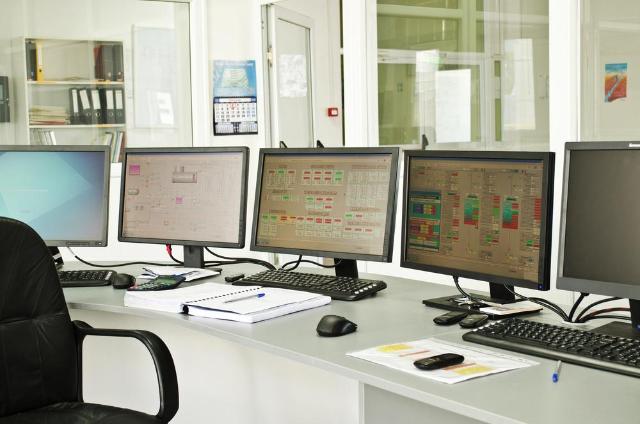
Image Source: depositphotos.com
A cyber fusion center brings together people, processes, and technologies into one coordinated hub to detect, analyze, and respond to threats. It’s not just about monitoring; it’s about building resilience by connecting intelligence, incident response, and security operations in real time.
When I first walked into a modern security hub a few years ago, the energy felt more like a newsroom during breaking news than a technical control room. Analysts, threat hunters, and response teams sat together, screens filled with live dashboards, and decisions were made within seconds. That immediacy is exactly what a well-run center provides—speed, collaboration, and clarity when attacks hit.
For a deeper dive into the value of a cyber fusion center, it’s worth understanding what makes one stand out in a crowded market.
Why Integration Matters More Than Tools
A common mistake buyers make is focusing only on the technology stack. You’ll hear about SIEM, SOAR, machine learning, and endless acronyms. But the strength of a fusion center isn’t just about tools—it’s about integration.
Imagine having the world’s best alarms in your house but each one rings separately. If the smoke detector goes off in the kitchen while a motion sensor blares in the hallway, you might miss the connection that it’s all part of a bigger problem. The same applies here. A capable provider connects data points across platforms so threats are seen as part of a single narrative, not isolated events.
The Role of Real-Time Threat Intelligence
When I was consulting for a mid-sized financial firm, we saw how outdated intelligence slowed down their defenses. Threat feeds were arriving late, reports weren’t contextual, and by the time analysts reacted, attackers had already moved on.
A true fusion model avoids this pitfall. It integrates external intelligence with internal telemetry in real time. The benefit is context—knowing not just that malware was flagged but understanding if it’s linked to a phishing campaign targeting your sector.
This intelligence-driven approach shifts teams from being reactive firefighters to proactive defenders.
Collaboration as a Core Culture
Cybersecurity has long suffered from siloed teams. IT, compliance, SOC analysts, and response units often work separately, leading to gaps in defense. A fusion environment changes that dynamic.
When I sat in on a simulation exercise, I noticed something telling. Instead of waiting for one team to escalate, everyone around the table—from legal to technical staff—was part of the decision-making chain. That level of collaboration shaved hours off the response timeline.
For buyers, the question is simple: does the provider foster a culture where teams share information seamlessly? If the answer is no, then the center isn’t truly “fused.”
Scalability and Flexibility in Design
Cyber threats don’t stand still, and neither should defenses. One of the most overlooked factors when evaluating providers is scalability.
A retailer I worked with learned this the hard way. Their center was designed for a predictable network, but after expanding e-commerce operations, the system couldn’t keep up with cloud threats. The provider couldn’t scale quickly, forcing them into an expensive migration.
A flexible architecture—cloud-ready, modular, and adaptable—is non-negotiable for growing organizations.
Metrics That Actually Matter
A glossy sales pitch often comes with dashboards full of charts and numbers. But buyers need to dig deeper. Which metrics will the center track, and how will those metrics drive action?
For instance, mean time to detect (MTTD) and mean time to respond (MTTR) are critical.
But equally important is how the provider measures incident impact, false positive rates, and the overall improvement of risk posture over time.
Without meaningful metrics, a center becomes little more than a reporting function.
Human Expertise vs. Automation
Automation plays a huge role today, especially with orchestration platforms capable of handling repetitive tasks. But no matter how advanced the technology, human expertise remains essential.
During a ransomware outbreak I observed, the automated systems did their job—isolating affected endpoints. But it was the analysts who recognized the attackers were using a novel evasion tactic, adjusting defenses on the fly. That human element prevented a far larger breach.
Buyers should ensure their provider invests as much in people as in technology.
Compliance and Legal Readiness
Beyond threat detection, a fusion provider should help navigate regulatory landscapes. This is especially true for industries under heavy compliance, like healthcare or finance.
In one case, a healthcare client avoided massive fines because their provider integrated compliance reporting into the incident workflow. The audit trail was ready within hours, not weeks.
Ask upfront how the center supports compliance obligations and how legal considerations are handled during live incidents.
Cost vs. Value: The Balancing Act
Budgets always enter the conversation. The temptation is to go with the lowest bidder, but in this space, cost cutting can be costly later.
I’ve seen organizations spend more cleaning up after an inadequate provider failed than they would have investing in the right solution from the start. That’s not to say you need the most expensive option. The key is understanding value—how well the service reduces overall risk and supports long-term resilience.
Red Flags Buyers Should Avoid
Not every offering is created equal. Here are signs a provider may not deliver real value:
- Overemphasis on tools with little explanation of integration
- Lack of transparency in metrics or reporting
- Inflexible architecture that can’t adapt to business growth
- Minimal investment in staff training or collaboration practices
If you hear more buzzwords than practical solutions, it’s a red flag.
Final Thoughts
A cyber fusion center isn’t just a technical solution; it’s an operational philosophy. The right provider helps organizations shift from chasing alerts to building a proactive security posture. Buyers should focus on integration, intelligence, collaboration, and scalability.
From my experience, the most successful partnerships come from providers who act less like vendors and more like extensions of the internal team. When trust, expertise, and adaptability come together, the result is a security program that doesn’t just respond to threats but stays one step ahead of them.