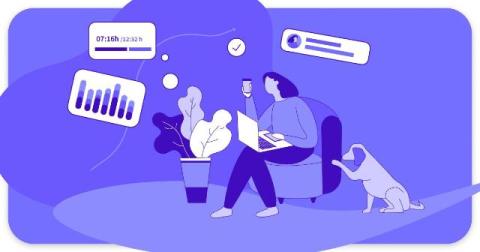
Real-time dashboards give remote teams visibility without constant meetings. This blog shows how to replace check-ins with live, reliable proof of progress.
In 2020 it dramatically increased from 5% to 35% and by 2024-2025 it stabilized at 40% with global workforce engaged in some form of remote work. Although remote work setting declined after that, 83% of workers globally prefer hybrid work arrangements. It becomes imperative that you take remote workforce responsibily as it caters to more than 40% of work time, which is a major chunk.
This blog breaks down the hidden cost of low visibility in remote work and shows how smart systems like Insightful transform outcomes through real-time clarity, shared accountability, and balanced workloads.
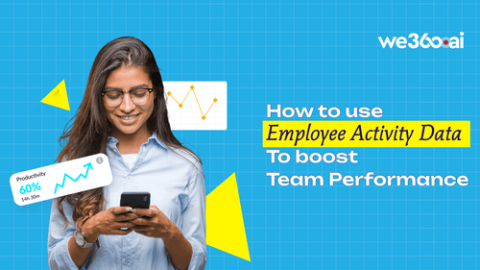
Imagine running in a marathon blindfolded. You’re putting effort but feel directionless. The same happens when you’re handling your team without analytics. Employee performance data is the cornerstone to building a blueprint of most of your company’s strategies based on facts and not gut feeling. By capturing employee activity data - time spent, tools used, obstacles faced - you can steer your business to a clear direction. This helps you eventually align with productivity patterns.
Many leaders confuse presence with productivity. This blog explains how to shift from surveillance to true visibility that drives retention and engagement.
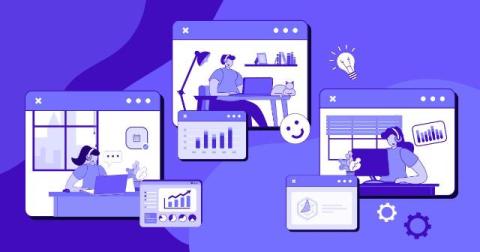
Replace daily standups with timeline insights and async coaching for remote dev and consulting teams. Spot bottlenecks, surface training needs, and keep accountability without micromanagement.
This guide shows you how to onboard labeling teams faster across time zones using benchmarks, context-rich training, and coaching to sustain productivity.
Say “AI” in a SaaS boardroom, and you’ll see two reactions: excitement from those eager to innovate and eye-rolls from those tired of the buzzword. But the truth is, AI is no longer hype. It’s reshaping how SaaS products are designed, delivered, and experienced. What once meant clunky chatbots or rigid workflows is now evolving into adaptive systems that learn, predict, and simplify—often faster than the humans who built them.