Do you know that 38% of globally used monitoring software uses stealth mode? But why are companies shifting to undercover observation from regular monitoring? Let’s find out the reason behind it—
57% of database breaches happen due to internal factors. That’s why stealth monitoring exists. Stealth monitoring is a way to track what someone does on a device without them knowing. The monitoring tool runs quietly in the background. Then, it provides the admin with all the user data for analysis.
When 68% of breaches occur due to “human element”, traditional security is not enough. This is where stealth monitoring comes in. In the security world, it’s not about spying. It’s about User Activity Monitoring (UAM) or Endpoint Telemetry. And secret monitoring proves to be the most effective for such datapoints. In this blog, we’ll cover the issues stealth aims to solve for security and the data you should capture with it.
Less than 50% companies have a formal policy regarding employee monitoring, let alone stealth. So, the legal, ethical, and security risks are not something you can write off. In this blog, we’ll cover the biggest ones and how you can avoid them!
Key Takeaways: Stealth monitoring means software runs quietly on computers. True "covert" monitoring happens when workers don't know about it. When done right, it can spot problems like strange file transfers, malware clicks, or broken rules. This helps managers see what happened and when. Good monitoring programs follow a simple plan: Tell employees about it in your policy. Only track work activity. Give access based on job roles and delete data quickly.
I never realized that meetings became punishments, rather than a collaborative space. The energy-sucking conferences were beginning to crush my team’s spirits.
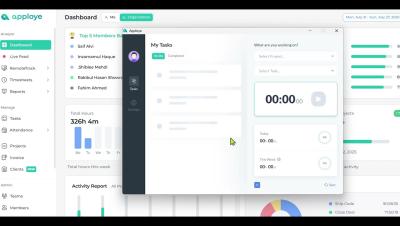
Apploye Manual Time Entry Tutorial | Step-by-Step Guide Forgot to turn on/off the time tracker app? Need to log work hours manually in Apploye? This tutorial will show you exactly how to use the Manual Time Entry feature in Apploye. Whether you need to add missed hours, correct an entry, or track offline work, we’ve got you covered! What You’ll Learn: How to enable & configure manual time entry Step-by-step process for adding manual time Managing & editing manual time logs Best practices for accurate time tracking.