

Teams | Collaboration | Customer Service | Project Management

Your backlog shouldn't be your biggest project. Here's how operations teams are fixing it.

For most operations teams, managing incoming requests is itself a full-time job. This post explores how multiplayer AI helps teams move out of reactive mode, automating intake, keeping portfolios on course, and giving leaders the real-time visibility they need to make better decisions, faster. Every operations team knows the feeling. Requests arrive faster than anyone can review them.

Vendors behind openDesk join forces as Open Productivity

Six of the vendors behind openDesk, including Element, have formed Open Productivity: a joint venture that brings the sovereign digital workplace to businesses and critical infrastructure operators. openDesk was created for German public administration. It brings together established open source applications for documents, email, calendars, file sharing, knowledge management and secure real-time communications into a single sovereign workplace suite.

Intranet security best practices to prevent data breaches

Secure your intranet from data breaches by safeguarding operational usage. These include identity and access management, permission governance, and integration control. AI access governance and operational readiness complete the list. Proactive controls across these areas stop permission drift and block unauthorized access before risks become breaches.

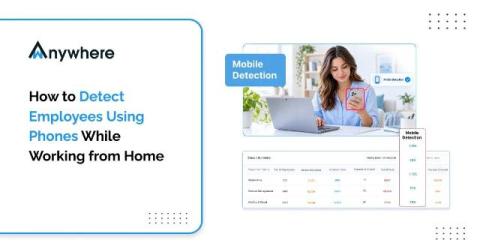
How to Detect Employees Using Phones While Working From Home

Personal phones are the biggest blind spot in remote work security because a phone camera bypasses every DLP, USB, and screenshot control. The most reliable answer to how to detect a mobile phone during work hours is AI mobile phone detection, which analyzes the webcam feed for phone-shaped objects, raises instant alerts, and logs evidence. Paired with a clear device policy, informed consent, and proportionate responses, it protects regulated data without turning remote work into surveillance.

Due Diligence Projects: How Teams Organize Background Research at Scale

A due diligence project is a structured review of a company, vendor, or partner before a major decision. Teams organize this background research at scale by doing four things: agreeing on scope first, splitting the work into owned workstreams, storing every piece of evidence in one consistent structure, and tracking risks and open questions in a shared workspace instead of scattered emails.

Your Team Is Busy. But How Much of That Time Is Actually Billable?

Your delivery team looks fully loaded. Timesheets come in complete. Projects are running. Nobody is sitting idle. Then the month closes, and the margin on a client project lands below plan. Nothing obvious went wrong. The team worked hard. The client got the work. Still, the numbers do not match the effort. This happens because a full day and a billable day are two different things.