

Teams | Collaboration | Customer Service | Project Management

Identity and Access Management for Secure Collaboration

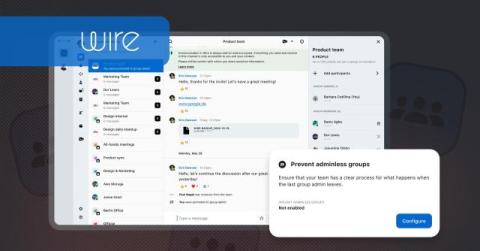
Most security teams have invested heavily in identity. Single sign-on, multifactor authentication and conditional access now guard the front door of almost every enterprise application. Access decisions keep living after that door closes, in shared folders, partner chats and guest links that nobody remembers to revoke. In our State of Secure Collaboration 2026 survey of 208 CISOs across Germany, France and the UK, 61% said access to shared files stays active longer than intended after a project ends.

Chat Control in 2026: What Happens to Encrypted Messages

Few pieces of EU legislation have been declared dead as often as Chat Control, and few have returned as reliably. In July 2026 a scanning law that more MEPs voted against than for came back into force. On 29 September 2026 negotiators meet again to decide the shape of the permanent regulation. The outcome affects ministries, armed forces, defence suppliers and energy operators, because it determines how much control they keep over who can read their communications.

Wire Apps SDK: Now Available in JavaScript and TypeScript

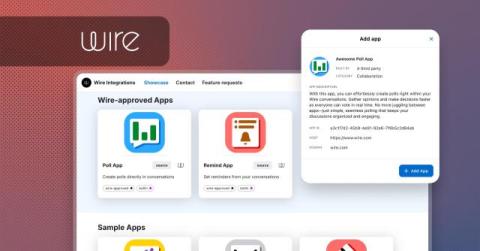
Wire Apps SDK let developers build automations and integrations that run as full participants inside Wire’s end-to-end encrypted conversations. Until now, that meant building on our Java/Kotlin SDK. Today, we’re extending that same capability to JavaScript and TypeScript, giving teams the freedom to build in the language that fits them best.

WhatsApp in Social Care: The Compliance Risk and What Replaces It

It's a familiar story. A social worker gets a message from a client on a Saturday. A family needs to move a home visit. A colleague forwards a photo of a document that has to be dealt with before Monday. None of it goes through an official system. All of it goes through WhatsApp, because that is where the client already is, and because it works.

Critical National Infrastructure: Security, Threats & Protection

Critical national infrastructure covers power grids, water systems, healthcare, financial networks, communications, transport, and other infrastructure where disruption can have serious consequences for the nation. Protecting these systems means knowing what infrastructure is critical, how different sectors depend on each other, and which threats could interrupt essential services.

HIPAA-Compliant Texting: Rules, Risks & Best Practices

Text messaging has become one of the fastest and most convenient ways for healthcare professionals to communicate, and that speed is exactly why it creates compliance risk. Most consumer apps are not HIPAA-compliant, and texting through those apps creates risks for your organization. But that doesn’t mean you have to skip texting entirely.

Cybersecurity Risk in Digital Collaboration: What It Is and How to Manage It

Cybersecurity risk in digital collaboration is the exposure to harm or the potential loss that comes from using messaging, calling, conferencing, and file-sharing tools to run day-to-day work. It covers the potential for data theft, unauthorized access, service disruption, and compliance exposure tied to a compromised, misconfigured, or ungoverned collaboration tool.

Understanding the Privacy and Security Implications of OpenAI's Apple Messages Plugin

OpenAI's new Apple Messages plugin gives ChatGPT access to the Messages application on a Mac. Once enabled, users can ask ChatGPT to find conversations, summarize them, draft replies, and send messages. That has understandably raised questions about what it means for iMessage privacy. The starting point is understanding what the plugin does and, just as importantly, what it doesn't do.