
Teams | Collaboration | Customer Service | Project Management

How to Track Project Progress: Methods That Give You a Real Number

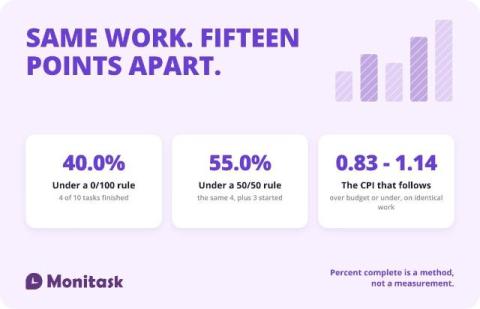
Tracking project progress means producing one defensible number: the percentage of planned work actually finished. That number depends on the method used to credit partially finished work, and the choice changes the answer. A project with four of ten tasks done reads 40% under a 0/100 rule and 55% under a 50/50 rule — the same work, fifteen points apart.
Employee Attendance Tracking: Methods, Templates and Legal Limits

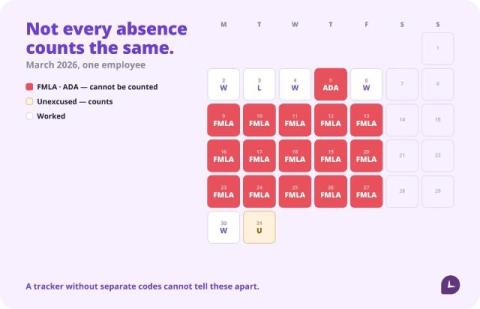
Attendance tracking records when people start, break and finish, so hours, lateness and absence are accurate. The method matters less than two things most guides skip: separating protected absences from countable ones, and knowing that a fingerprint time clock is the single most litigated piece of attendance hardware in the US. Start with the template below, then read the two legal sections.

Best Time Tracking Software for Consultants in 2026

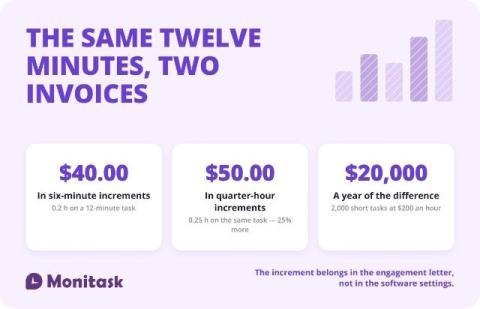
The best time tracking software for consultants records time against a client and a project, separates billable from non-billable hours, and turns approved time into an invoice without re-entry. Beyond those three, the choice depends on how you bill: hourly work needs billing increments, retainers need a running balance, and fixed-fee work needs an effective hourly rate. This guide compares ten tools and then covers the billing decisions the tools leave to you.

Job Costing: How to Calculate the True Cost of a Job

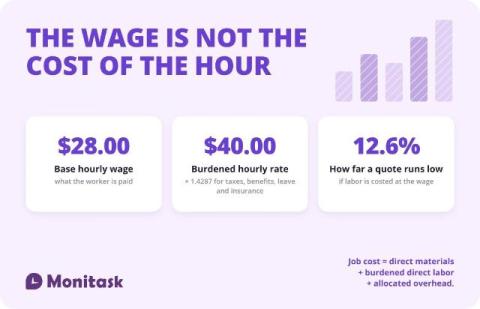
Job costing calculates the total cost of one specific job by adding three figures: direct materials, direct labor at a burdened rate, and an allocated share of overhead. A $28 hourly wage costs roughly $40 once employer benefits are included, so job costs built on base wages run about 12% low. Contractors, agencies, manufacturers and professional services use it to price work and measure margin per job.

What Employee Monitoring Software Actually Tracks (and What It Cannot)

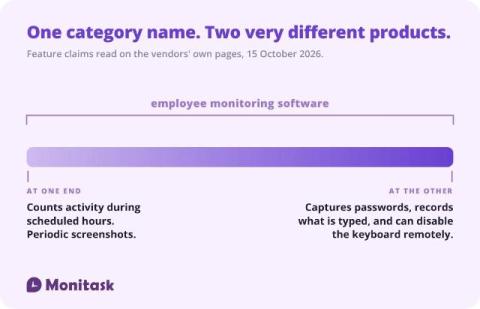
The category name covers two very different products. At one end, software that counts keyboard and mouse activity during scheduled hours and takes periodic screenshots. At the other, software that logs the content of what is typed — including passwords and card numbers — records the screen continuously, and can remotely block an employee’s keyboard. Both are sold as employee monitoring software. Decide which one you are buying before comparing prices.

Open Source Employee Monitoring Software: What You Take On

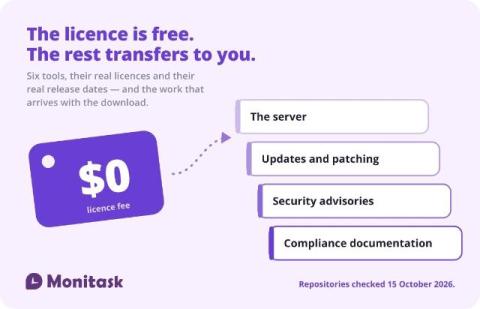
Open source monitoring tools are free to licence and not free to run. The licence question matters more than most guides admit — one popular option is under SSPL, which is not an OSI-approved open source licence, and one widely listed “open source” tool has no licence file at all. Two of the tools that appear on every list are not employee monitoring software in any sense their own authors would recognise.

Is Employee Monitoring Legal? What Employers Can and Cannot Do

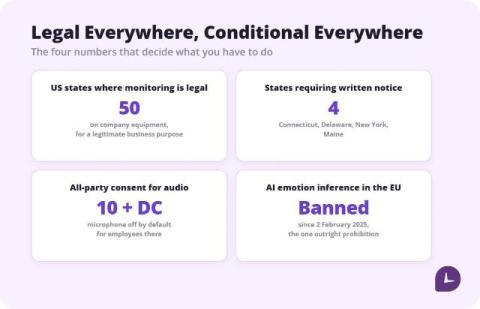
Employee monitoring is legal in all 50 US states and in most other countries, but legality depends on how it is done rather than whether it is done. On company-owned equipment during work hours, with a written policy in place, monitoring is broadly permitted under federal law. Four states require written notice first. Audio recording, biometrics and personal devices each have separate rules, and the EU treats employee consent as unreliable by design.

How to Keep Track of Work Hours: 6 Methods Compared

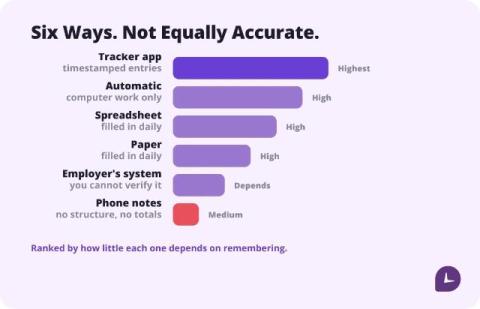
The most accurate way to keep track of work hours is to record start and end times the moment they happen, in whatever tool you will actually open. A dedicated hour tracker app loses the fewest minutes; a spreadsheet filled in daily is close behind; reconstructing the week on Friday is the least accurate method and the most common one. Pick by what you will do every day, not by feature count.

Free Work Hour Trackers: 6 Tools That Are Actually Free

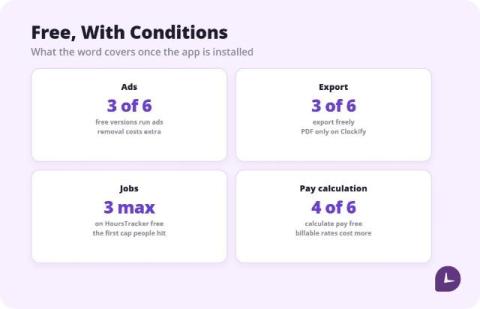
Six free hour trackers, compared from vendor pricing pages and current store listings. The honest summary: several are free because they show ads, most lock pay calculation or export behind a paid tier, and for one person a one-time unlock often beats a subscription within a few months. Pick by which limit you can live with, not by the word free.

Best Apps to Track Work Hours in 2026: Compared for Hourly Workers

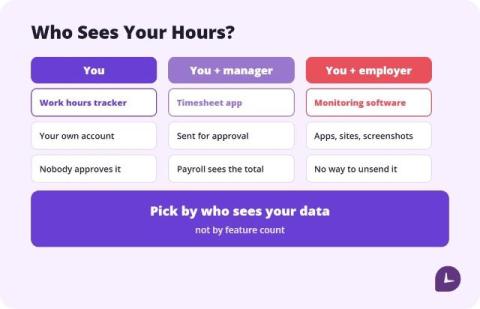
HoursTracker and Work Log are the best apps to track work hours for most hourly employees, because both calculate pay, handle overtime, and work without a manager account. Toggl Track is the best free option if you want a clean cross-platform timer without ads. Clockify is the best choice when your whole team needs to log hours. Pick by who sees your data, not by feature count. Most “best time tracking app” lists are written for the person who signs the invoice.