
Teams | Collaboration | Customer Service | Project Management

User Activity Monitoring

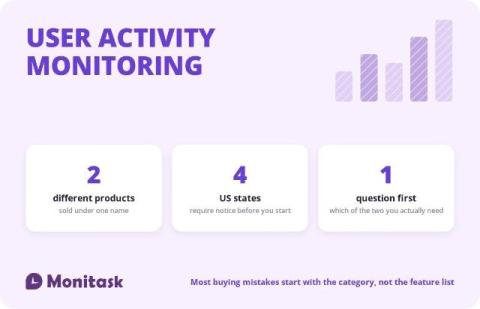
User activity monitoring, or UAM, is software that records what people do on company devices, applications and networks. That definition is accurate and it hides the thing that matters. Two distinct product categories are sold under this name. One exists to detect insider risk: it watches data movement, records sessions, and produces forensic evidence. The other exists to show how working time is spent: it records application and website usage and activity levels, and produces reports.


How To Write A Cell Phone Policy At Work That Teams Actually Follow

Most handbooks already have a phone rule in them. Walk any floor at two in the afternoon and you will see how much it is worth. Phones are face down beside keyboards, in laps, propped behind monitors, checked during the gap between one call ending and the next connecting. The rule is not being defied. It is being ignored, which is a different and more awkward problem.

Chanty for Internal Communication: One Platform for Chat, Calls, and Tasks

Every company, whether it has five people or five hundred, develops its own communication maze. Nobody plans it. It grows one reasonable decision at a time: a chat tool here, an email thread there, a spreadsheet someone started “just for now,” a shared drive no one fully trusts. Each piece makes sense alone. Together they form corridors that keep leading back to the same question: where is that decision, and who owns it? None of this looks dramatic on any single day.

Product Feedback Management: How to Turn Customer Input into Roadmap Decisions

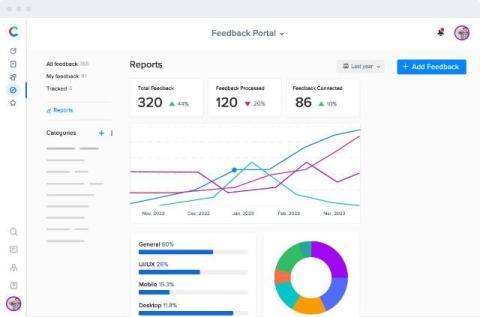
Most product teams have no shortage of feedback. It arrives through support tickets, sales calls, customer success notes, community threads and the occasional email to a founder. The trouble starts after it arrives. Without a shared process, each source ends up in a different spreadsheet or inbox, and the loudest voice wins the next sprint. Product feedback management is the discipline of turning that scattered input into decisions you can explain.

Biometric Time Clock

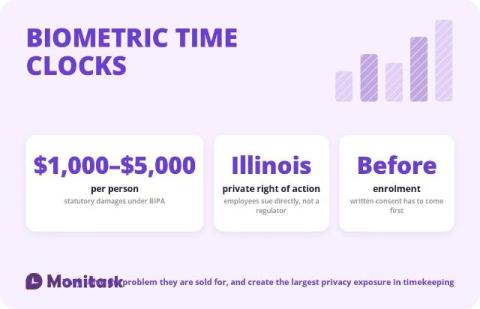
A biometric time clock identifies employees by a physical characteristic rather than by something they carry or remember: a fingerprint, a hand or face geometry scan, or occasionally an iris or voiceprint. Because a fingerprint cannot be handed to a colleague, it eliminates buddy punching in a way no badge or PIN can. That is the entire commercial case, and it is a good one.

The Pitman Schedule

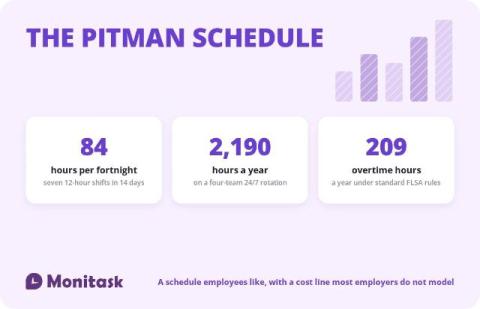
The Pitman schedule covers a 24/7 operation with four teams on 12-hour shifts, running a two on, two off, three on pattern across a 14-day cycle. Every team gets every other weekend off and never works more than three days in a row. It is popular for good reasons. It is also the schedule most likely to produce an overtime bill nobody budgeted, because 84 hours per fortnight means alternating 36-hour and 48-hour weeks, and the second one is over the federal threshold.

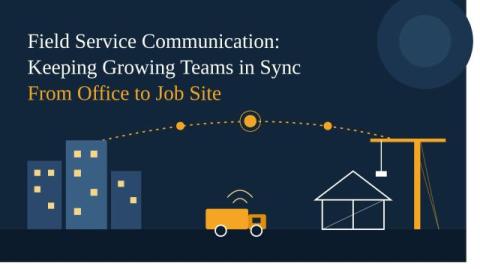
Field Service Communication: Keeping Growing Teams in Sync From Office to Job Site

A technician kneeling under a customer's sink has three questions in mind: what happened on the last visit, is the right part on the truck, and who to call if the job turns out bigger than quoted. On a crew of five, the answers live in someone's head. On a crew grown to fifteen or twenty, they're scattered across personal phones, half-remembered calls, and a shared inbox nobody fully trusts. That's the point where field service communication stops being a habit and needs an actual system.