
Teams | Collaboration | Customer Service | Project Management

The Cyber Resilience Act: Implications for open source and digital products

The Cyber Resilience Act (CRA) is a major new piece of EU legislation that aims to bring security-by-design into how digital products are developed and brought to market across Europe. Adopted at the end of 2024 and applying from late 2027 (with some requirements coming into effect towards the end of this year), the CRA introduces baseline cybersecurity requirements for any product with digital elements placed on the EU market.

Open source vs. proprietary communication platforms for government: which to choose?

‍ Government agencies face a fundamental question when choosing communication tools: who ultimately controls your data? For public sector organizations handling sensitive citizen information, classified communications, or cross-agency coordination, the answer matters enormously.

Wire Uncut Ep.6 | XWiki | Open Source Tools for Knowledge and Privacy

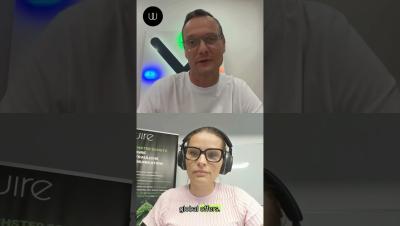
In this episode of Wire Uncut, Alexandra speaks with Dan, Director of Marketing and Communication at XWiki, about the company’s journey as a European Libre Software provider. Dan shares how XWiki and CryptPad deliver secure, open source tools for collaboration and knowledge management. From powering corporate intranets and documentation hubs to enabling encrypted real-time teamwork, XWiki’s mission is to strengthen digital sovereignty in Europe.

A Talk with XWiki on the Importance of Open Source in Digital Sovereignty

Open source is becoming central to Europe’s digital strategy as organizations look for alternatives that respect privacy and sovereignty. XWiki and CryptPad are not new names in the European tech space. Both are open source platforms with roots going back over 20 years. Headquartered in Paris, the company behind them has grown from community-driven projects into widely used tools across industries and governments.

Open Source From Misunderstood to Europe's Future #podcast #digitalsovereignty #opensource

Is open source really harder to use or integrate? That perception is fading fast. Open source is now recognized for: Technical strength, transparency & interoperability Faster innovation through global collaboration A collective European alternative to Big Tech With initiatives like Eurostack, open source alliances are creating integrated, secure, and competitive solutions for Europe’s digital sovereignty.

OpenDesk Europe's Open Source Alternative to Office 365 #digitalsovereignty #podcast #opensource

Imagine a 100% open source, secure, and privacy-first alternative to Microsoft Office 365. That’s exactly what the OpenDesk Project is building — designed for German public administration and powered by: XWiki, Nextcloud, Collabora Office, Element, OpenProject & more Decentralized, secure, and transparent solutions Partnerships across Europe to strengthen digital sovereignty This is Europe’s collective answer to Big Tech — and it’s already happening.

Engineering flexible permissions for Zulip open-source team chat

Zulip is an open-source team chat application designed for remote and hybrid work. With conversations organized by topic, Zulip is ideal for both live and asynchronous communication. Over the past few months, we’ve rolled out an incredibly flexible system for managing permissions in Zulip: Permissions can now be granted to any combination of roles, groups, and individual users. This applies to permissions for managing channels, groups, and the organization as a whole.

Build: Funding open source via commercial licensing

We believe in the power of open source. The transparency it requires builds trust, especially in terms of creating secure communication software. But we also understand that not every company can open-source its code. That’s why we have created our Build subscription: providing numerous nifty benefits including a commercial license that lets you develop proprietary products on Matrix while supporting the ecosystem that makes your innovation possible.