Enterprises could gain 33 working days per year by tackling inefficiencies and app overload
The average worker at an enterprise organisation uses nine apps per day, compared to six for those at a small business.


Want to improve productivity? Start measuring things. As a large-company executive, your remit is to solve complex problems that span the business while giving your department heads a shared roadmap. As such, three words matter more now than they have in some time: Measure. Review. Incentivize. With swaths of employees returning to the office, there’s a real opportunity for managers to activate “all-in” strategies for teams to contribute to company growth.
Raise your hand if you know someone who’s fallen for a phishing scam. The ordeal often requires a few hours, several emails to tech support to regain control of the account, and finally, the reversal of credit card charges. Now imagine this happening to a colleague’s work email address. As an IT professional, you might have onboarded them into the company’s network, trained them on best practices, and worked with them regularly in the past.
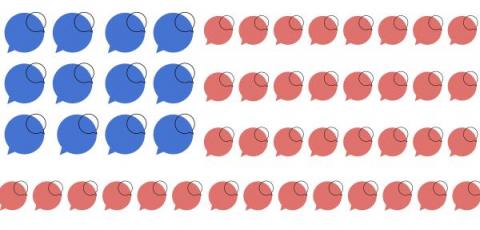
The world has become increasingly politically polarized, and leaders of its biggest companies aren’t immune. When a CEO shares their view on a divisive issue—via a tweet, an op-ed, or monetary donation—they will create admirers and enemies. However, taking a stand is increasingly seen as a signal of their authentic character and, by extension, leadership style. Every CEO takes a risk when they become sociopolitically active, and that decision has downstream effects.
At Asana, we’re big on helping organizations cut back on busywork and increase efficiency. This month, we’re proud to introduce a set of new features designed to help teams take back time and focus on what matters—even in a distracted world.
Just before the holidays in 2021, the marketing team at Mural was met with the most brow-furrowing of work problems: Company leaders presented them with an abstract-sounding challenge and gave them a hard deadline to figure it out. Mural was going to complete its first acquisition in its 10-year history and establish a new market category. But how does one launch a new category? And what is this new category? How does one communicate that positive transformation to customers?
My KonMari journey began a few months into the pandemic. I picked up Kondo’s definitive work about tidying up out of boredom. I admit I was surprised at how quickly her ideas resonated. It might have been the rut I was in because of lockdown and working from home, but I was immediately following the steps religiously at home. During a period of excessive time indoors, her process brought much-needed peace and joy to my home. Work was a different story, though.