
Teams | Collaboration | Customer Service | Project Management

Product roadmap examples for SaaS teams, by audience

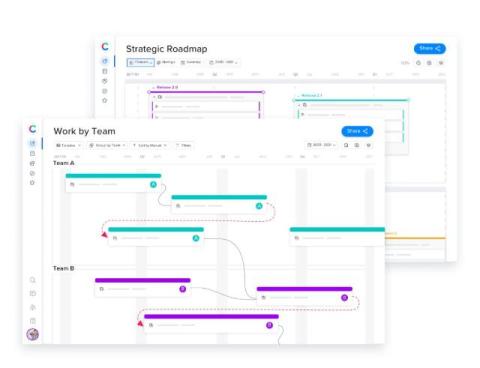
Most product teams do not have a roadmap problem. They have a presentation problem. The plan is fine, but the same view gets sent to the CEO, the engineering lead, the sales team and a customer, and it fits none of them well. A roadmap tool earns its place when it lets you keep one plan and show it differently to each audience. In craft.io, goals link to initiatives and initiatives link to features in the backlog, so every view comes from the same source.
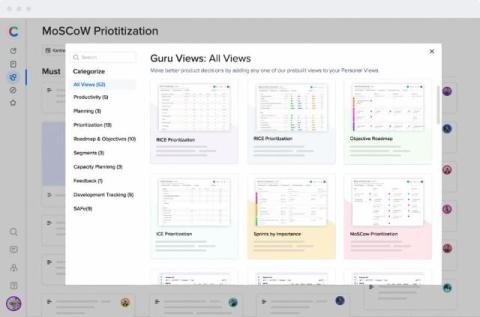
Prioritization framework picker: RICE, MoSCoW, value vs effort and when to use each

Most product teams do not lack frameworks. They lack a clear rule for choosing between them. RICE, MoSCoW and value vs effort all produce a ranked list, but each one answers a different question, and using the wrong one is how a backlog ends up with a lot of scoring and very little agreement. Start with the situation you are in, not the framework you have heard of most.

OKR software for product teams: connecting objectives to features and roadmaps

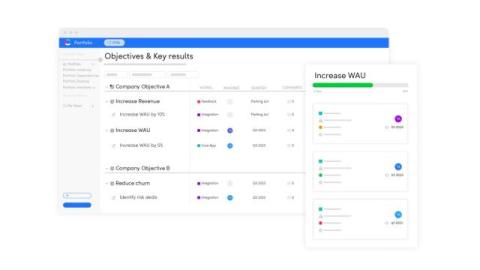
Most OKR tools are built for the whole company. They track objectives and key results well, but they sit apart from the place where product teams decide what to build. The result is a familiar gap: leadership sets objectives, the team keeps a backlog, and nobody can say which features move which key result. OKR software for product teams closes that gap. The goal is not a prettier scorecard. It is a direct, visible line from an objective to the initiatives, epics and features that are meant to deliver it.

Product Discovery Tool Checklist: 10 Questions to Ask Before You Buy

Most product discovery tools look the same in a demo. Each one has an inbox for ideas, a scoring screen and a roadmap view. The differences show up three months later, when feedback is scattered, scores have drifted away from strategy, and engineers are re-typing items into Jira. This checklist is for the product manager who already feels that pain and the Head of Product or VP Product who has to approve the purchase. Use it on any vendor, including craft.io.

Actual vs Planned Walkthrough

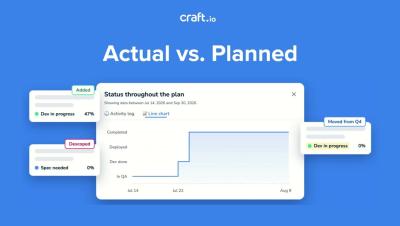
Learn how to use the "Actual vs. Planned" feature in Craft.io to track changes, monitor delivery, and evaluate project baselines against real progress. In this walkthrough, you'll learn: By leveraging locked plans and real-time comparative data, product managers can communicate changes with confidence, hold productive stakeholder reviews, and refine future quarterly planning.

Product Feedback Management: How to Turn Customer Input into Roadmap Decisions

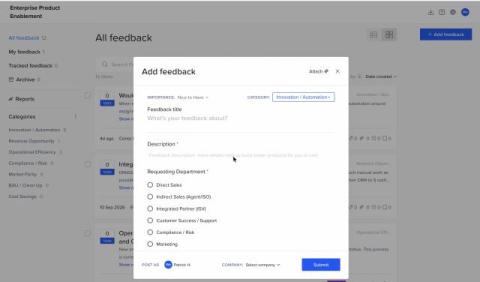
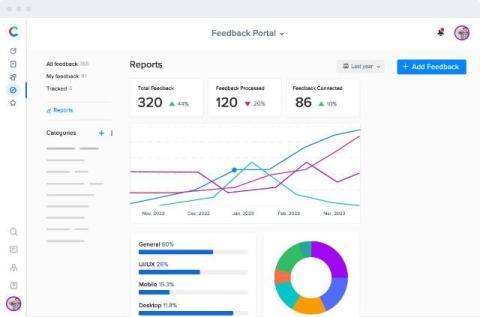
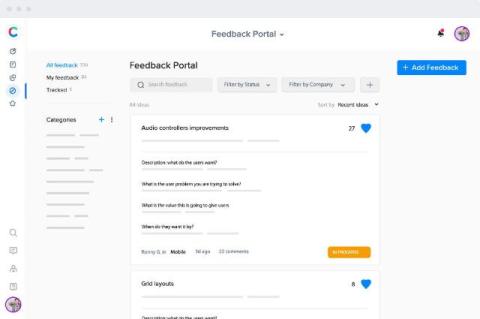
Most product teams have no shortage of feedback. It arrives through support tickets, sales calls, customer success notes, community threads and the occasional email to a founder. The trouble starts after it arrives. Without a shared process, each source ends up in a different spreadsheet or inbox, and the loudest voice wins the next sprint. Product feedback management is the discipline of turning that scattered input into decisions you can explain.

How to Build an Agile Roadmap Your Whole Team Will Actually Follow

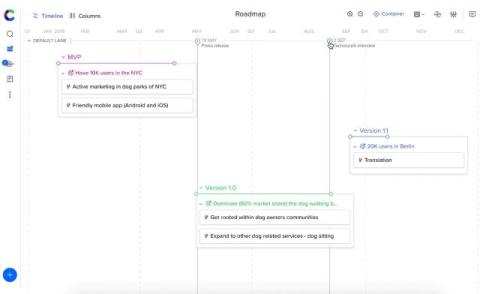
Most agile teams have a roadmap. Far fewer have one that the team actually follows. The gap is usually structural: the roadmap was built for a presentation, not for daily planning. It shows features and rough timelines, but nothing that connects to sprint work. When priorities shift, the roadmap stays frozen while the backlog moves on. An agile roadmap that works is built differently.

Product Portfolio Management: A Practical Guide for Heads of Product

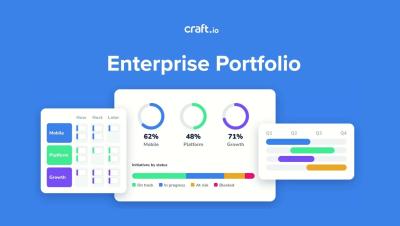
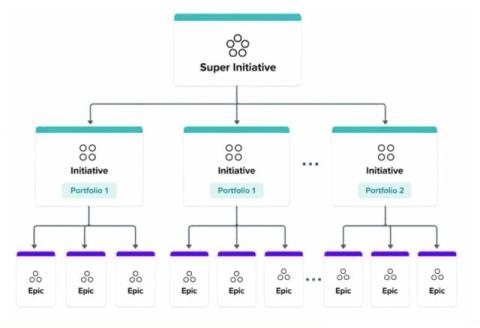
Managing one product is hard. Managing a portfolio of products across multiple teams, market segments, or business units is a different problem entirely. Individual product managers focus on what to build next and why. As a VP of Product or CPO, your job is to make sure the right products get investment, that teams are not duplicating work or blocking each other, and that the entire portfolio is pulling toward the same business objectives.

How to Prioritize Feature Requests from Customers: A Guide for Product Teams

Every product team feels it eventually. The backlog grows. Sales forwards another customer email. An executive champions a feature because one big account asked for it. And suddenly, the roadmap is being driven by whoever spoke loudest or most recently rather than by what will actually move the product forward. Managing feature requests without a structured process means your team spends time building things that feel urgent but aren’t strategic.