

Your phone buzzes one Saturday afternoon. It’s a text message from an unknown number noting that there’s a big sale at one of your favorite stores. No pictures. No branding. Just a spammy-looking URL you’re told to click on to view more details. Now imagine getting that same text message, but this time, it’s a little different: It features clear and recognizable branding.
Agility was a buzzword even before 2020, particularly in fast-moving industries where changing trends and emerging technologies meant businesses had to constantly stay on their toes. But last year, businesses of all types were forced to restructure business plans and adapt to a changed world nearly overnight. Suddenly, the value of agility became more obvious than ever. But agility isn’t just something you need during extraordinary circumstances like a global pandemic.
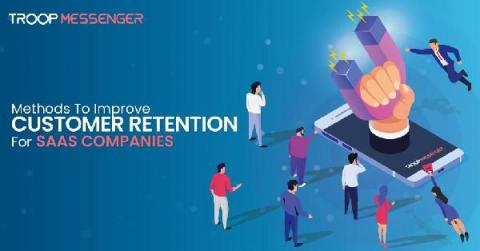
In SaaS companies, retention of customers requires more effort than onboarding a customer. These are the customers who were your active subscribers for a time and then resubscribed for the next period expecting quality services from your company. SaaS companies usually consume their quality time, money in working with the sales team and in creating new marketing strategies giving the least importance to the existing customers.
Customer experience is key to gauge how your customers perceive your brand. The reaction that customers have in response to the way your company treats them is crucial. Businesses have to work hard to attain and retain customers, for which keeping an eye on customer perception matters throughout their lifecycle.
It was months into the pandemic, and we were all stuck inside. Wintertime in Wisconsin can be beautiful, with its snowy scenes and frozen lakes that seem to stretch on forever. But this winter was different. It felt cold, dark, and lonely without any chance of seeing friends and family. After several months of watching movies and baking cookies, I realized I needed a pastime. Something to keep my hands and my mind occupied.
There is a push to automate everything, but is this the best way forward? The financial case for automation in customer service to lower your costs is clear but this shouldn’t be the only consideration. You also need to assess the impact that a service or helpdesk automation will have on your business, your employees and your customers. If done without putting the customer first, your automation in customer service might be perceived as impersonal.
You’re at your desk when you overhear two fellow support agents debating the difference between customer service and customer experience. They ask you for your take, and your palms turn sweaty—you have no idea how they’re different. Many support agents use customer experience and customer service interchangeably, but the two terms do not mean the same thing. Understanding the difference between them is critical. Why?
People are happier if they are in control. That‘s why customers expect to be kept informed when something will be delivered or someone will turn up to install, service, or repair something. If something goes awry it is essential that you proactively let customers know before they encounter the problem.