
Teams | Collaboration | Customer Service | Project Management

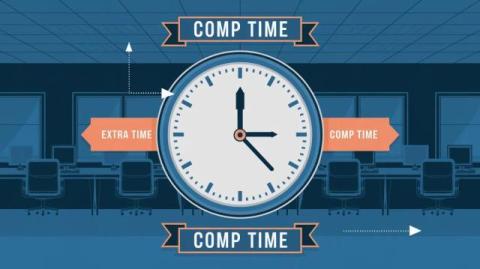
Compensatory Time: What It is and How to Calculate It

Compensatory time (or "comp time" for short) is a time off that employees get instead of overtime pay. For example, if you work an extra four hours on a busy Thursday, your employer might give you six hours off another day instead of paying you overtime wages. It's like a "time in the bank" system - you put in extra hours now and take them back later when things are slower.


How Absenteeism and Presenteeism Affect Productivity

Absenteeism—being absent from work without a valid reason—is a chronic problem for U.S. employers, conservatively costing $3,600 per hourly employee per year, and $2,650 per salaried employee per year. Based on this, a company of 5,000 hourly employees will lose over $18 million per year without a strong absence policy. But being physically present isn’t always the best thing for overall productivity.

7 Effective Ways to Streamline Marketing and Sales Automation for Greater ROI

In today’s competitive landscape, marketing and sales teams are tasked with managing high volumes of leads, engaging prospects across multiple touchpoints, and converting these interactions into meaningful relationships. Marketing and sales automation has transformed how companies manage these activities, freeing teams from repetitive tasks while increasing efficiency and accuracy. However, merely adopting automation tools isn’t enough.

7 Important ToDos Before You Head Out of the Office

In today’s fast paced work environment, leaving the office doesn’t just mean logging off and heading out. With so many projects, deadlines, and tasks in play, preparing properly before you take time away is essential to prevent a hectic return. This guide will walk you through seven important todos to help you leave the office organised and set the stage for a seamless return.

Decimal Hours Calculator: The Complete Guide

A decimal hours calculator is a very useful converter for instantly converting time to decimals and vice versa. Such converters are helpful during payroll calculation as we may sometimes need time in the decimal format instead of the standard format. However, there’s a lot more that goes into minute conversions than this. Thus, if you also want to know more about this aspect than this, then you are on the right page. However, manually converting decimal hours into minutes will be time-consuming.

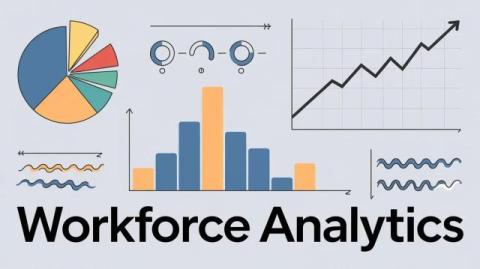
Workforce Analytics: Definition, Types, and Examples

Workforce analytics uses real data—like employee performance, retention rates, and attendance records—to guide better decisions in companies. It’s a powerful way to improve hiring, productivity, retention, and overall workplace satisfaction. Once you grasp workforce analytics, you’ll understand how your team is performing and what motivates them. Then, you can say goodbye to the struggles to keep your team in rhythm.

What is Workplace Flexibility? Come, Understand With Examples!

The idea of the workplace is no longer just being in the office. Rather, with the changing times, it has evolved and become flexible. The modern workplace concepts focus more on employee well-being, work-life balance, and high productivity. To achieve such outcomes, companies these days are following the concept of workplace flexibility, which is different from traditional work culture. But what exactly do we mean by workplace flexibility? Let’s dig deep into this topic to know all about it.

Innovative Solutions to Prevent Time Theft

Time theft is a severe concern that HR managers must not ignore, particularly in today’s rapidly changing work settings. The question of correct time tracking has significantly evolved regardless of the employee’s remote, hybrid, or on-site work setting. Whether it concerns clearly defined working hours or specific tasks that employees make to address personal issues, such micro-shirking accumulates and gradually impacts the company’s margins.