The current pace of BPO workforce analytics isn’t just a metric. It’s the demarcation between winning and losing clients. Every call handled, every second tracked, and each KPI met directly impacts service quality. Even though BPO workforce analytics is implemented, maintaining peak agent performance is a bottleneck. Managers struggle with limited visibility into agent activities, making it hard to track productivity and meet SLAs. This leads to missed targets and reduced efficiency.
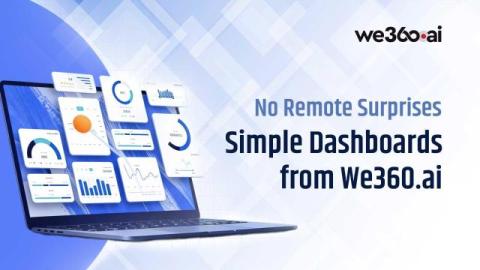
Did you know high employee turnover costs Indian companies up to 2x annual salary per exit? In today's hybrid work world, where tech teams vanish overnight and hiring pipelines clog, blind spots kill profitability. Enter We360.ai's top 10 workforce analytics dashboards—plug-and-play tools that transform raw HRIS data into C-suite clarity, slashing churn risks and vacancy costs by 20-30%.
In 2026, most organizations have some form of workforce analytics in place. Screens are tracked. Apps are monitored. Dashboards are full. And yet, many CEOs and HR leaders are asking a different question.
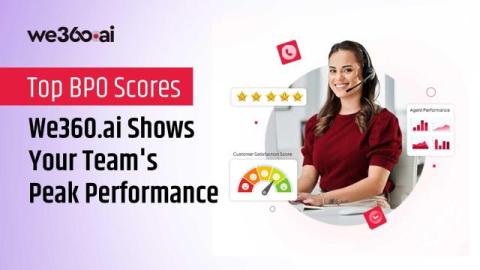
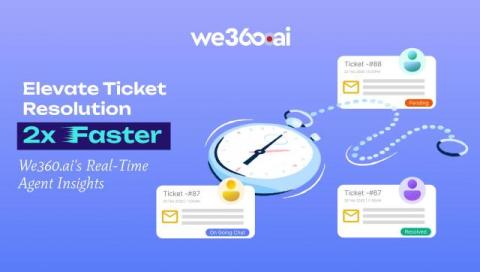
We360.ai is revolutionizing customer support by delivering real-time agent insights that double ticket resolution speeds. This capability empowers teams to handle queries more efficiently, reducing backlog and boosting customer satisfaction in today's fast-paced service environments. Building on its workforce analytics prowess, We360.ai provides granular visibility into agent performance, enabling managers to optimize workflows instantly.
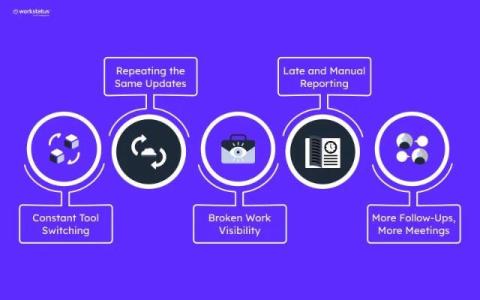
If your team tracks time every day, why does delivery still feel unpredictable? Timesheets are filled. Reports are generated. Dashboards look active. Yet deadlines slip. Margins shrink. And leadership finds out too late. The problem: This is not a time tracking problem. It’s a visibility problem. Time tracking shows effort. Work intelligence shows progress, risk, and real delivery movement. Workstatus connects time, execution, and delivery into one clear operational view. Instead of just seeing who worked, you see how work is moving — where risk is building — and whether outcomes are on track.
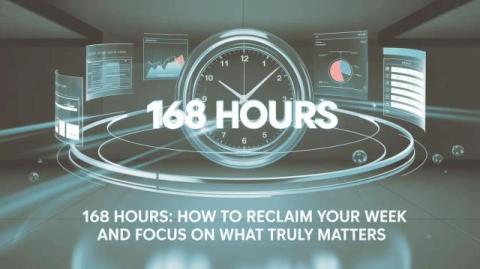
When we think about our week, we don’t really perceive it broadly. Even the most productive human on earth has the same 168 hours in a week. So, what’s the difference between that person and us? Turns out, as the famous author, Laura Vanderkam, argued, that we don’t really plan our weeks ideally. We need to audit our weekly commitments, find out ways to optimize, and bring out the most from them! How can you do that?
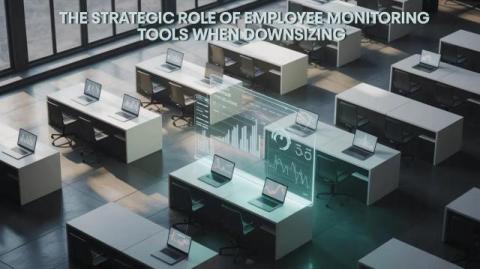
HRs rarely have the time to breathe in a corporate restructuring. And it becomes more difficult to do it right when they're nervous. Those tools offer everything to make lay-offs easy and empathetic. And they help maintain employee well-being and trust. A complete solution to prevent any negative impact from employees. This article explores how employee monitoring software can support downsizing responsibly.
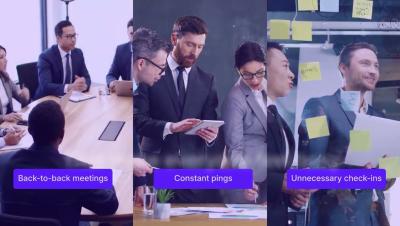
Being busy doesn’t mean your team is productive. The Punch Effect explains what happens inside organizations when clarity is missing. Teams default to meetings, messages, and low-impact tasks that feel important but don’t drive outcomes. The result: This is not a people problem. It’s a visibility problem. Workstatus helps organizations eliminate the Punch Effect by bringing structure, clarity, and real-time insight into how work actually moves.
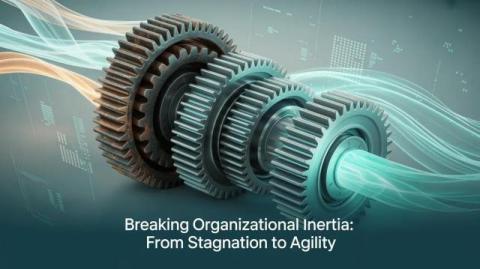
All of your employees are working tirelessly, but the business? Hardly even moving. No new ideas, no creative decisions, just old ways of doing things. That’s organizational inertia, the immovable force that keeps even smart teams stuck. Without breaking the resistance, even top businesses turn into history. If you really want to change, you have to start now. In this article, our goal is to learn how to spot and stop it!