

Teams | Collaboration | Customer Service | Project Management

Why Remote Work Fails 60% of IT Teams and the Simple Way to Fix It

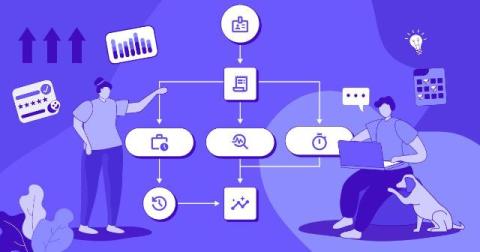
“Working from home sounded perfect… until it wasn’t.” Imagine this: Result? Truth bomb: 60% of IT teams struggle with remote work. Why? But here’s the twist: In this blog, we’ll show why remote IT team management struggles, what happens when problems are ignored, and the simple fix that makes remote work succeed.

All You Need to Know About the DuPont Shift Schedule

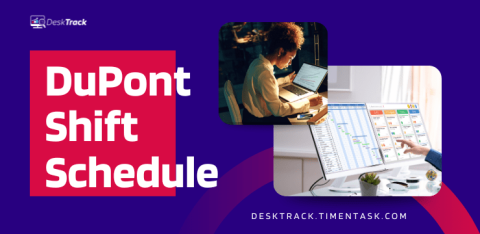
If your business runs non-stop, then you need the DuPont shift schedule. This alternative to the regular 5-day work week changes work hours to 12 hours, and the structure changes week after week in a 4-week cycle for each month. However, there is a lot more than you need to know about this strange yet effective schedule. For starters, there are a lot of good parts for both the employers and employees in the monthly DuPont schedule, especially for the workers, such as more time off.

AI Trends Defining the Future of SaaS

Say “AI” in a SaaS boardroom, and you’ll see two reactions: excitement from those eager to innovate and eye-rolls from those tired of the buzzword. But the truth is, AI is no longer hype. It’s reshaping how SaaS products are designed, delivered, and experienced. What once meant clunky chatbots or rigid workflows is now evolving into adaptive systems that learn, predict, and simplify—often faster than the humans who built them.

The Critical Path Method in Project Management: Your Full CPM Guide

Managing simple or complex projects shouldn’t be a mess. It’s never a smooth sail and will never be, but at least we must be properly prepared, like having all the necessary ingredients and a clear understanding of the cooking process. That’s where the critical path method plays an essential role. CPM is a systematic technique to manage projects by identifying and sequencing key tasks. Overall, it helps you improve how you manage your projects.

The Best Time Tracking Software for Architects

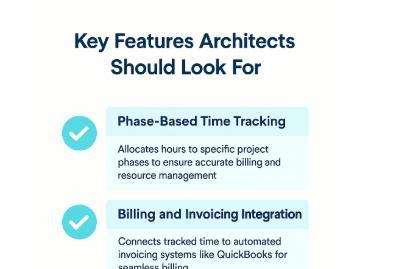
Time is the lifeblood of every architecture project, but it’s also one of the most difficult resources to control. Architects aren’t simply drawing plans; they’re managing a constant stream of client meetings, design iterations, compliance checks, site visits, and coordination with engineers and contractors. Time tracking software for architects is something not thought of at the outset by most organizations.