

Want to be a better leader? Consider these two strategies.
“It’s a delicate balance between autonomy and social support, but the answers are there if you ask—and keep asking.”
The swirl of reasons a customer joins a brand community can be measured, stress-tested, and ranked, but there’s also maybe a less scientific-feeling reason people join a community for a brand. It’s maybe less science and a little more magic.
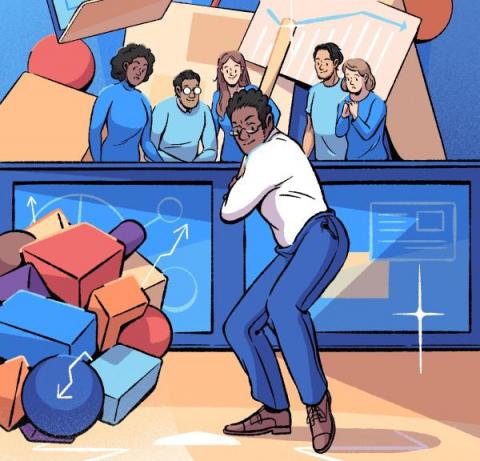
Experts say anyone can train their brain to be more forward-thinking. For leaders, doing so could be the difference between failing and thriving.
These days, workplace collaboration can feel downright broken. Here’s The Workback’s guide to getting your organization back into a collaborative groove.
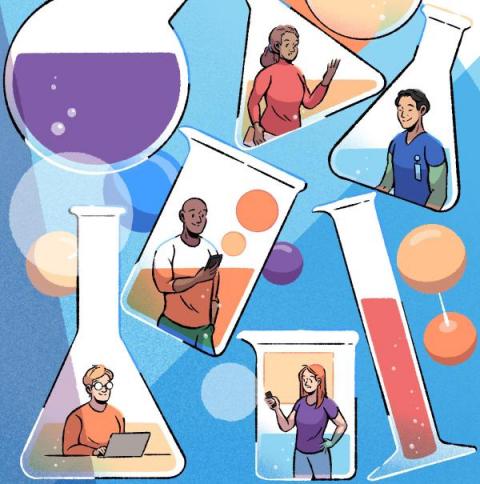
Get tips from experts in project management, neuroscience, and more on how to help your team maximize productivity and get the most out of their time.
Harvard researcher Heidi K. Gardner reveals how organizations can improve collaboration and perform better as a business.
Companies with the best outcomes for adopting new technology have a common strategy: Never stop being human.
When Figma CEO Dylan Field gave his keynote at Config, the company’s annual design conference in April 2021, he took the opportunity to restate a core value. More than a year after Covid-19 sent millions into physical isolation, Field’s message carried new gravity: “Nothing great is made alone.” During his 22-minute presentation, he revealed that nine-year-old Figma was debuting a new product called FigJam. It felt particularly appropriate for the moment.