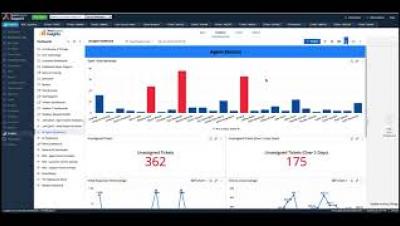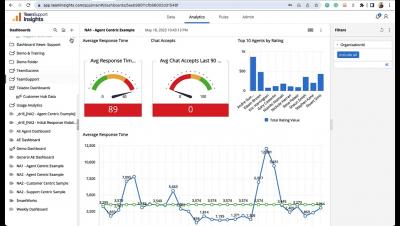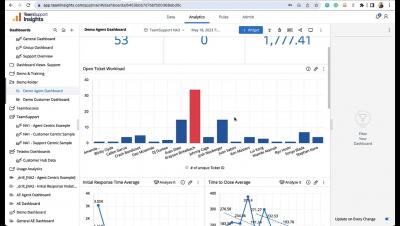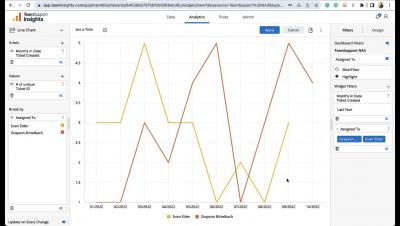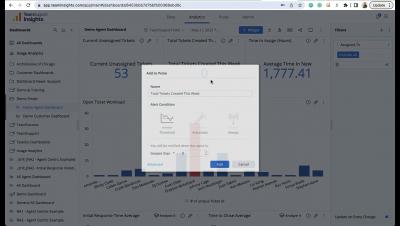
Using the Pulse in TeamInsights
Use the Pulse to monitor your data for any/all abnormalities in your data.


If you're considering acquiring free help desk software, you've likely come across a wide range of available options that may seem like a cost-effective and simple way to handle and improve customer support in your organization, without adding extra expenses or going into big efforts. As you probably already know if you're looking to make this important decision, a help desk tool will streamline your support services and improve your overall performance.
This release includes a ton of brand new features to help agents reply to customers more efficiently.
When it comes to email automation workflow tools, finding the right solution is critical to creating effective campaigns that fire on all cylinders. If you want to harness the full potential of email to increase customer engagement and streamline workflows, you need the best tools available at your fingertips to spearhead campaigns and take your workflows to new heights.
As businesses continue to evolve and compete in today’s highly digital and connected world, the importance of excellent customer experience management cannot be overstated. With the rise of social media, review sites and platforms such as marketplaces, customers now have more power than ever to share their experiences with others. As a CX Trends 2023 case study by Zendesk found out, 66 per cent of customers said that a bad interaction with a business can ruin their day.