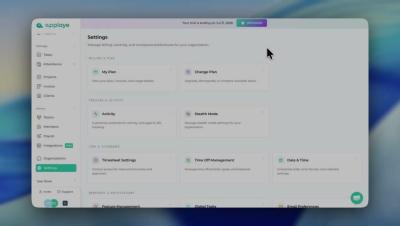
Here’s everything we shipped in June for Apploye! In this update, we’re introducing approval for manual time tracking, a completely rebuilt checkout experience, and platform performance improvements.
You've tried logging hours at the end of the day. By then, two meetings, a client request, and a handful of small tasks have blurred together. You enter something reasonable and move on. But reasonable isn't billable, and it isn't defensible. With that being said, I’m here today to fix that. I'll share with you which time tracking method is right for you. By the end, you'll know which method fits your workflow and what each one can actually prove.
Enterprises want AI technology capabilities without the chaos. They want developers using AI to ship faster, analysts leveraging AI for insights — but within boundaries that prevent data leaks, compliance violations, and reputational damage. This is impossible for many companies because traditional IT governance doesn’t fit the modern AI landscape. Processes designed for predictable software with defined behaviors break down when applied to systems that generate unpredictable outputs.
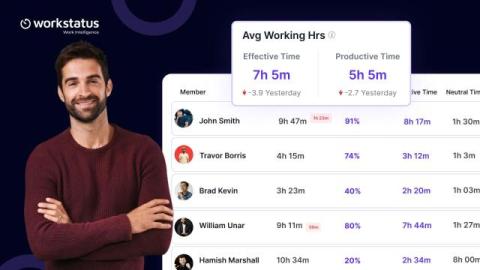
Process intelligence for knowledge workers captures the top 5 workflow performance signals. Learn how to access it without a six-figure implementation.
Managing today’s workforce isn’t just about tracking work; it’s about maintaining visibility across different ways of working. Some employees split time between home and the office, while others work fully remotely. Many others spend their day in the field. It means employees nowadays are working in different models. However, many organizations use the same tracking approach for all employees. That’s where problems begin.
An SME in BPO (Subject Matter Expert) is an experienced agent who helps resolve complex customer issues, supports teammates, and shares process knowledge. Agents usually turn to an SME when a problem cannot be solved using standard scripts or knowledge base articles. SMEs support daily operations by answering questions, handling escalations, coaching agents, and improving process accuracy. They work closely with both frontline agents and team leaders.
Signs of employee burnout often show up before anyone says a word. The World Health Organization says burnout comes from chronic work stress that has not been managed well. It shows up in three ways. People feel worn out. They pull back and grow cynical. They feel less able to do good work. Often, the first clue shows up in work patterns, not in words. This article covers nine signs of employee burnout in four simple groups. It starts with what your data shows.
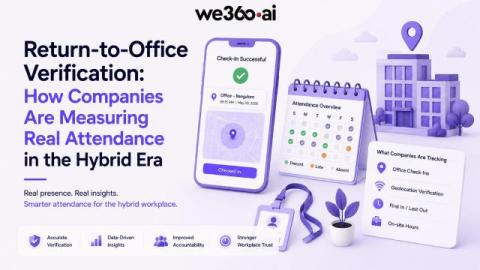
Return-to-office mandates stopped being a debate about "if" a while ago. In 2026, the conversation has moved to a much harder question: how do you actually know whether people are working from the office, or just badging in to check a box? Return-to-office verification means using real attendance and activity data — not just badge swipes — to confirm employees are genuinely present and working during mandated in-office days.
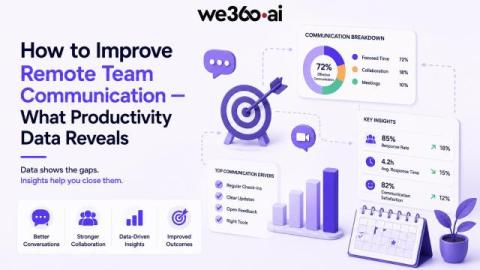
Most advice on improving remote team communication reads the same way: over-communicate, use video when possible, set clear expectations, choose the right tool. It's not wrong, but it's generic enough to apply to any team, anywhere, which is exactly why it rarely fixes anything. The more useful question isn't "what should teams do differently" — it's "what does the actual data show is going wrong, specifically, on remote teams right now?"