Stuck on how to evaluate a workforce analytics platform? These 8 questions show which ones deliver real value—and which your ops team will actually use.
Most agencies track time, but few truly understand profitability. Hours are logged, projects move forward, and reports are filled out. But without clear insight into costs and margins, it’s hard to know what’s actually driving profit. That’s where the shift begins. Moving from time tracking to margin intelligence means connecting hours worked to real business outcomes: profitability, pricing, and performance.
Stop making headcount decisions on gut feeling. This guide walks operations and workforce leaders through capacity planning using real utilization data.
Digital collaboration has become the default way of working across business and government. Messaging, file sharing and real-time coordination are now central to how organizations operate. Yet for a long time, classified communication followed a very different path. For VS-NfD and similar classifications, secure communication traditionally relied on tools designed for a much earlier digital era. Phone calls, basic text messaging and highly constrained systems were often the only approved options.
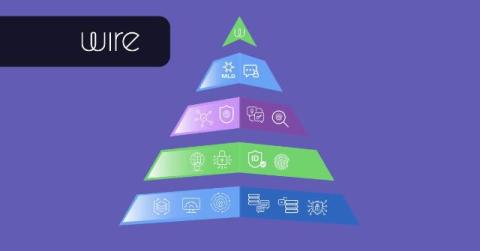
Secure communication at the VS-NfD level is not defined by a single feature. It depends on architectural choices, identity controls and operational discipline working together within a clearly defined scope. This section explains the technical foundations that enable secure digital collaboration in classified environments.
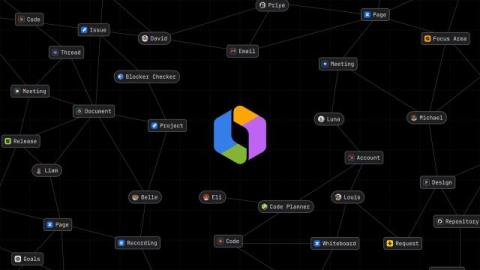
Teams of all stripes have run billions of cross‑functional, multi‑tool workflows on Atlassian. After decades spent helping them plan, build, ship, and do, those same workflows are now lighting up with millions of agentic automations, up 7x in the last six months alone. All signals point to the rise of the AI‑native organization, where humans operate at critical junctures, deciding what matters and why, and agents do more of the execution.