Teams | Collaboration | Customer Service | Project Management


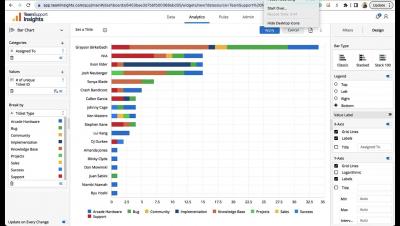
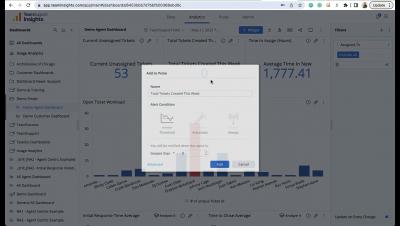
Using the Pulse in TeamInsights
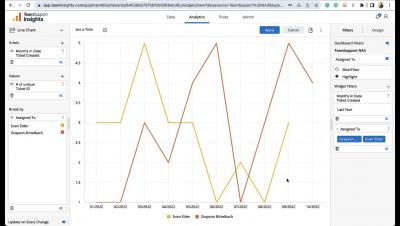
Creating a Line Chart in TeamInsights
How AI can enhance the customer experience and control costs I Conversations with Zendesk Podcast
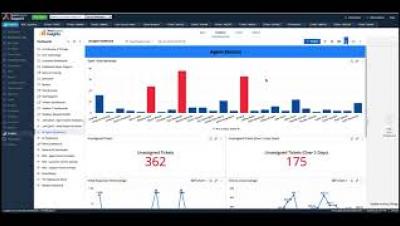
TeamInsights full demonstration
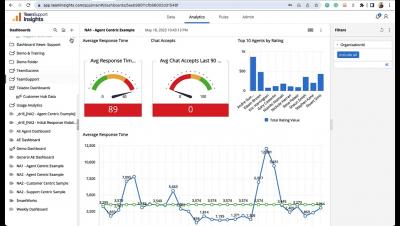
How To Create Multiple Dashboards
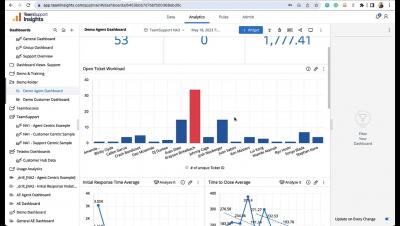
Creating Specific Filters in TeamInsights

Considering Using Free Help Desk Software? Read This First
If you're considering acquiring free help desk software, you've likely come across a wide range of available options that may seem like a cost-effective and simple way to handle and improve customer support in your organization, without adding extra expenses or going into big efforts. As you probably already know if you're looking to make this important decision, a help desk tool will streamline your support services and improve your overall performance.
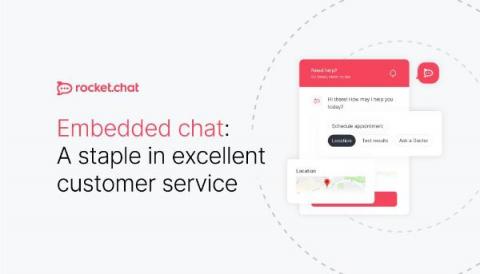
Embedded chat: A staple in excellent customer service
Using embedded chat on the websites enables visitors to communicate quickly with the organization's customer support teams. Given the competitiveness of today’s business landscape, offering a good UI/UX experience to tech-savvy customers and resolving their queries quickly helps businesses gain a competitive edge. In this blog, we explore how organizations use embedded chat to deliver an immersive experience to customers.

The role of review management in transforming customer experience management
As businesses continue to evolve and compete in today’s highly digital and connected world, the importance of excellent customer experience management cannot be overstated. With the rise of social media, review sites and platforms such as marketplaces, customers now have more power than ever to share their experiences with others. As a CX Trends 2023 case study by Zendesk found out, 66 per cent of customers said that a bad interaction with a business can ruin their day.