Most AI rollouts scale faster than the workflows beneath them. Use this 7-step AI adoption framework for enterprises to audit absorption, risk, and ROI.
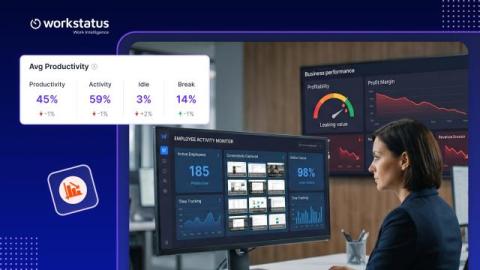
Monitor productivity through app usage, focused work hours, and project progress gaining actionable insights while protecting employee privacy, trust, and autonomy.
Have you ever given a thought to why project margins keep reducing even when everyone is busy? This is because being busy doesn’t guarantee equal results. Employee monitoring can tell you who is working and for how long, but it fails to tell where time, effort, and profits are being lost. In this blog, you’ll explore why employee monitoring fails to solve the 30% margin leakage problem and how service businesses should switch to productivity intelligence instead. Let’s go!!
Tracking token usage won’t help you understand where AI is adding to bottom-line results. Move toward true agentic implementation by measuring what matters.
When your team works, those hours need to be tracked so employees get paid correctly, clients get billed accurately, and you know how much a project actually costs. A timesheet is just the tool that makes sure those hours don’t get lost. Many businesses don’t take it very seriously. They either guess the time, use lump-sum timings and track it manually, but it is risky. When companies guess or use messy paper tracking, they make mistakes.
Most managers already know something is off. The team looks busy but keeps missing deadlines, a project that ran over hours with no clear reason why, a star performer who quietly disengages before anyone notices. All of this can be explained and the data for it already exists. It’s sitting in your attendance system, your project tracker, your calendar, your timesheets. The issue with this data is that it is spread across tools that never talk to each other.