

Teams | Collaboration | Customer Service | Project Management

PSA scheduling: The key to professional services success

Drucker's words ring true, especially in the professional services industry. With tight margins and high client expectations, professional services firms have to be efficient and strategic to deliver projects successfully — on time, on budget, and with the best quality. One of these strategies is professional services automation (PSA) scheduling — designed to help agencies manage and optimize their resource utilization, project timelines, and overall profitability.

5 Best Tools for Crafting a PM Workflow

Have you ever found yourself drowning in the complexities of project management, wondering if there’s a more efficient way to navigate the ever-evolving landscape of tasks and deadlines? You’re not alone. In this digital transformation era, selecting the right tools can make all the difference in steering a project toward success. This blog will explore the five best tools that streamline and elevate your project management processes to new heights.

What Is 'Coffee Badging,' A New Corporate Trend?

Have you ever wondered how your morning coffee routine might be more than a caffeine fix? Enter the world of ‘coffee badging,’ a rising trend in corporate culture that goes beyond the realms of the traditional 9-to-5. According to a recent survey by Owl Lab, 58% of nearly 2,000 employees on a hybrid work model confessed to actively engaging in coffee badging.

Top Workforce Management Metrics and KPIs

Workforce management is the process of effectively managing and optimizing a company’s workforce to meet business goals and objectives. It involves a range of activities, including staffing, scheduling, time and attendance tracking, performance management, and more. With the help of workforce management metrics and key performance indicators (KPIs), businesses can gain valuable insights into their workforce and make informed decisions to improve operational efficiency.

Skype for Business End of Life: what you can do about it

As the sunset date for Skype for Business looms, many organizations still grapple with its impending end. Announced two years ago, the "end of life" phase signifies more than just a transition; it's a critical juncture for IT leaders and C-suite executives to reassess communication tools and data security strategies.

The Asana year in review: A journey through research, insights, and the future of work

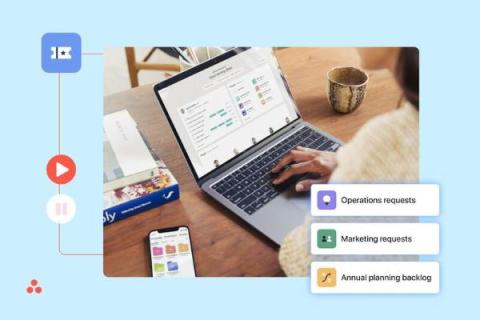
As we turn the final pages of this year at Asana, we're celebrating the goals and milestones our customers achieved. To dig into these accomplishments—and explore what made them possible—the Work Innovation Lab dove deep into the nuts and bolts of how work really happened in 2023. What we've uncovered is more than just data; it's a reflection of how our customers—the very heartbeat of Asana—worked, collaborated, set goals, and achieved them together this year. View demo.

3 examples of cross-functional collaboration that fueled innovation

Although cross-functional collaboration has become a buzzword in recent years, it’s not a novel concept. Working across different teams has been around for decades, dating back to the 1950s. Today, it’s a standard approach in most workplaces. According to Deloitte, 83% of digitally maturing companies report that they use cross-functional teams. But why has cross-functional collaboration become so popular? One word: innovation.