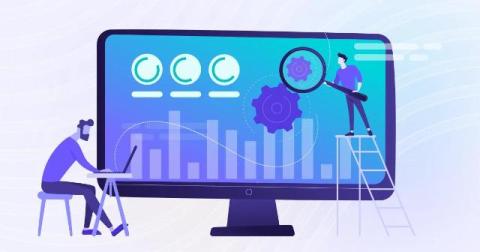
Claims cycle time explained: how to calculate it, what drives the delay at each stage, and how to find where the days are actually lost in your claims process.
Work Intelligence explained: what it is, how it differs from activity tracking, and how it turns workforce data into decisions that move operating costs.
An employee management system centralizes employee data, time, attendance, productivity, reporting, and workforce processes to help businesses manage teams efficiently.
Teams without capacity visibility are always one crisis away from another missed deadline. Work piles up unevenly. Skill gaps go unaddressed. Teams are left reacting to problems instead of preventing them. Capacity planning software fixes that. It matches your team’s actual availability to real demand using real-time tracking and intelligent workload distribution. The result is smoother projects, fewer delays, and less guesswork.
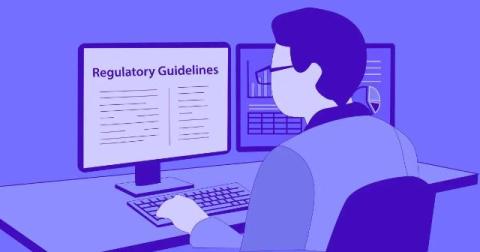
What is a mouse jiggler, why do employees use them, and what do they reveal about workplace productivity? Learn how to measure output instead of activity.
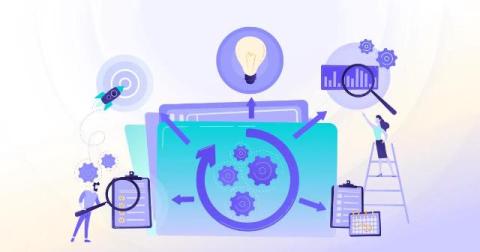
Workflow optimization: what it is, how it differs from automation, the four numbers to measure, and why you can't optimize a workflow you only documented.
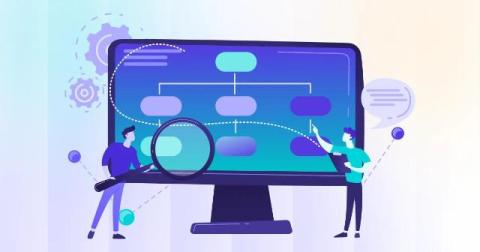
Compare the best process mapping tools of 2026, from manual diagramming apps to automated discovery that maps how work happens. See which fits your team.
Agentic process automation explained: what it is, how it differs from RPA, and why seeing how work actually happens is the first step to automating it well.