Teams | Collaboration | Customer Service | Project Management

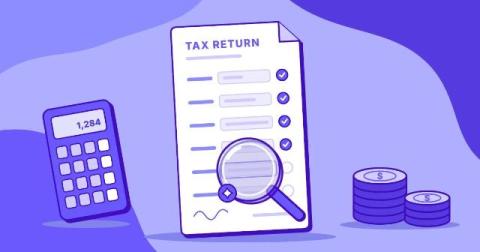
What Does Each Client Really Cost Your Consulting Firm?

A $50K client is not always more profitable than a $30K client. Revenue tells you what a client pays you. It says nothing about what it costs you to serve that client. Every engagement pulls time from your firm in ways the invoice never shows. Delivery work. Client management. Rework. Internal coordination. Waiting. Add all of that together to find the true cost of a client.

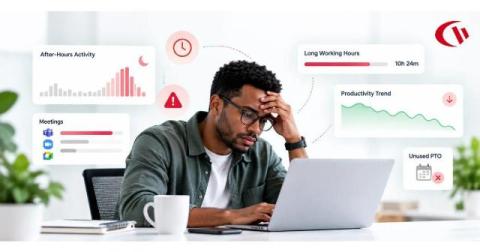
10 Signs of Overworked Employees (and How to Spot Them With Data)

Overwork is one of the most costly problems in the modern workplace and one of the easiest to ignore. The Eagle Hill Consulting Workforce Burnout Survey, carried out by Ipsos in November 2025, found that 55% of employees in the United States reported that they were suffering from burnout; 61% of those who work fully from home said they were experiencing burnout; and 57% of hybrid workers said they were experiencing burnout.

Work Categories in Flowace: Set Productivity Ratings Faster

Learn how to create a Work Category in Flowace and use it to set Productivity Ratings for many apps and websites at once. A Work Category carries its own Productivity Rating, so it works as a template. Create a Communication category, mark it Productive, and any app or website you give that category follows the rating automatically. You can still edit a rating later. In this video: Chapters: Example setup used in this video.

Productivity Ratings in Flowace: Company, Team and Individual

Learn how to rate apps and websites as Productive, Unproductive or Neutral in Flowace, for your whole company, for a team, or for one person. The same app can be productive for one team and unproductive for another. Instagram may suit Marketing but not Development. Flowace lets you rate apps and websites for each scope, so each member gets the rating that fits their role. In this video: Chapters: Example setup used in this video.

What Is Workforce Management Software?

Workforce management software helps businesses plan employee schedules, track working hours, record attendance, manage time off, and review work-hour data in one place. It also turns this data into reports that help managers spot staff shortages, track attendance, control labor costs, and plan work more effectively. Some workforce management systems, especially those used in retail and contact centers, also forecast how many workers a business will need at different times.