

The latest News and Information on Project Management, Methodologies, Productivity and Tools.
With changing consumer preferences and the new cutting-edge technology, the eCommerce landscape is constantly shaping itself. As we delve into 2023, many eCommerce trends have already changed how businesses operated and customers engaged with eCommerce platforms. From shopping personalization to voice commerce and drone delivery, the eCommerce industry is evolving amazingly.
Around 20% of startups in the US fail within a year. Half won’t be around in five years, and nearly two-thirds (65%) fail within a decade. It’s easy to look at those figures and lose faith. Success stories that tell of founders growing from a garage to a billion-dollar tech giant could be considered the stuff of legend. But here’s the thing: those companies do exist, especially in the tech industry.
When you discuss a contract, it can make everyone’s eyes glaze over fast. Most people are far more interested in the meat of the deal: how you’ll execute the project and the payoff. However, thorough marketing contracts are vital to an agency’s success. Proper contracts between your marketing agency and the client, independent contractors, and subcontractors protect all parties, outline expectations, and establish boundaries.
We’ve all been there—the wild chase to get teammates to log their time. Whether you distribute an email mid-week, comb through individual timesheets and send one-off direct messages, or post an announcement on a broader channel, chasing teammates to log their time is a big annoyance. Enter Time Reminders!
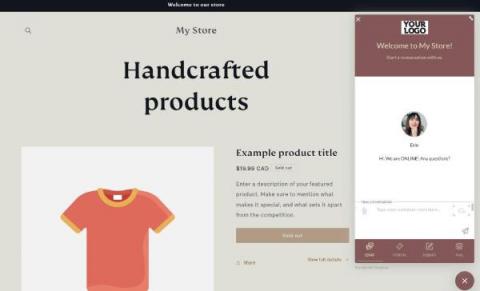
Shopify is a popular e-commerce platform which allows companies to create online storefronts even with limited tech know-how. OneDesk is an all-in-one work management software. With OneDesk, you can manage multiple aspects of your business, from multi-channel customer support, to employee time tracking and project planning. Open communication channels for your customers and prospects by integrating your Shopify store with the OneDesk customer applications.
Imagine a standard project where many different team members collaborate on the same project. Everyone enters new changes, which creates countless versions of the same project file. They may even be working on different files to merge them. Without a document comparison tool, this project would take so much time, and errors would be imminent due to the complexity of the task. Now, many people use Microsoft Word’s “compare” feature, but many great alternatives exist.