
Teams | Collaboration | Customer Service | Project Management

Productivity Ratings in Flowace: Company, Team and Individual

Learn how to rate apps and websites as Productive, Unproductive or Neutral in Flowace, for your whole company, for a team, or for one person. The same app can be productive for one team and unproductive for another. Instagram may suit Marketing but not Development. Flowace lets you rate apps and websites for each scope, so each member gets the rating that fits their role. In this video: Chapters: Example setup used in this video.
Work Categories in Flowace: Set Productivity Ratings Faster

Learn how to create a Work Category in Flowace and use it to set Productivity Ratings for many apps and websites at once. A Work Category carries its own Productivity Rating, so it works as a template. Create a Communication category, mark it Productive, and any app or website you give that category follows the rating automatically. You can still edit a rating later. In this video: Chapters: Example setup used in this video.

AI workslop is a standards problem

AI makes it possible to produce work quickly, but it can also result in a lot of workslop—that is, work that looks polished, but does little to move the project forward. Sorting through workslop is time-consuming and undercuts the ROI on AI. It may look like productivity, but it just moves the actual work farther downstream. The Teamwork Lab realized that workslop isn’t an AI problem, or even a people problem.

Aligning, deciding, and building toward better outcomes

If agents write the evals, draft the specs, and run the loops, what work is left for a product manager? One answer I keep seeing online is that product writes the evals, approves the agents, orchestrates the loops, and picks one at the end. At ProductCon San Francisco, I made the case that product’s role is much bigger: deciding what’s worth building and bringing a team along, which is especially important as agents accelerate building.

Stop Repeating These 5 HR Tasks; Instead Automate It in 2026!

HR teams aren’t drowning in work. They’re drowning in repeat work. From employee onboarding to offboarding, HR teams spend hours managing requests, sending reminders, coordinating approvals, and answering recurring questions. In this video, we explore 5 HR workflows you can automate with AI agents in 2026: The real shift in HR automation isn't just AI that answers questions. It's AI agents that can help execute tasks, coordinate workflows, and move work forward—with the right approvals and human oversight.

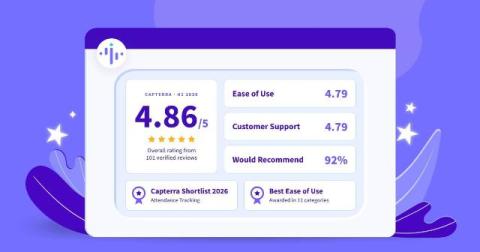
Employee Attendance Tracking: Methods, Templates and Legal Limits

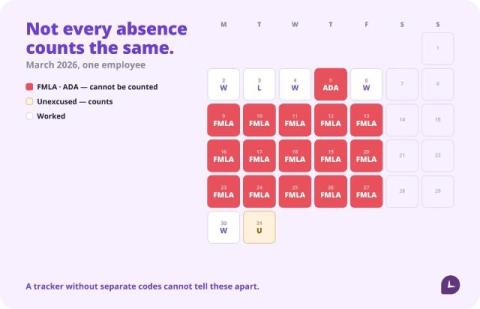
Attendance tracking records when people start, break and finish, so hours, lateness and absence are accurate. The method matters less than two things most guides skip: separating protected absences from countable ones, and knowing that a fingerprint time clock is the single most litigated piece of attendance hardware in the US. Start with the template below, then read the two legal sections.

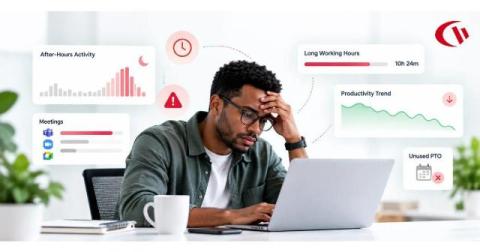
10 Signs of Overworked Employees (and How to Spot Them With Data)

Overwork is one of the most costly problems in the modern workplace and one of the easiest to ignore. The Eagle Hill Consulting Workforce Burnout Survey, carried out by Ipsos in November 2025, found that 55% of employees in the United States reported that they were suffering from burnout; 61% of those who work fully from home said they were experiencing burnout; and 57% of hybrid workers said they were experiencing burnout.

What does agentic PSA mean? A plain guide to what the agents actually do

Agentic PSA is professional services automation where AI agents do parts of the operational work, such as drafting a client update, and a person approves the result. A PSA, or professional services automation platform, connects projects, resources and financials in one system, and the "agentic" part is about who does the work inside it. At Teamwork.com, I run AI on my own project admin, status updates and reporting, and nothing goes out until a person has checked it. That check is why I trust the output.