
Teams | Collaboration | Customer Service | Project Management

How High-Speed Internet Helps Small Businesses Improve Team Collaboration

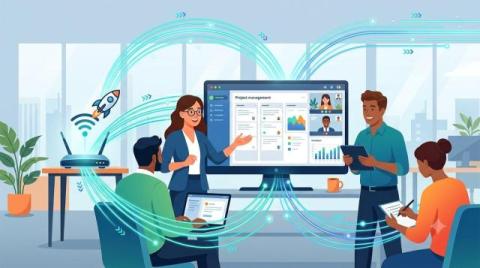
Small businesses increasingly depend on digital tools to communicate, share information, manage projects, and stay connected with employees and customers. When internet connectivity is slow or unreliable, everyday activities such as team messaging, file sharing, video meetings, and access to cloud applications can become frustrating and inefficient. High-speed internet gives employees the connectivity they need to communicate in real time and keep collaborative work moving.
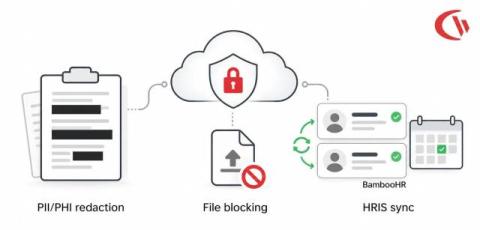
A Safer Way to Share, A Smarter Way to Sync: What's New in CurrentWare Cloud

Our latest cloud release offers three new capabilities that are focused on one goal: to protect the data you can’t afford to lose and sync data that you can trust. A quick summary of what’s new: You can now stop sensitive data from being leaked the moment it is copied, control which files can be uploaded to applications, websites, or emails, and sync employee records straight from your HR system.

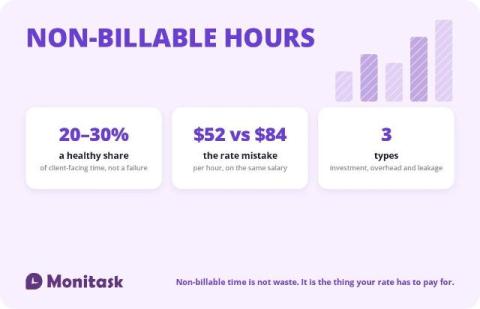
Non-Billable Hours

Non-billable hours are hours worked that cannot be charged to a client: internal meetings, admin, training, business development, proposals, and project overruns you chose not to invoice. Every guide to this subject treats non-billable time as a problem to minimise. That framing causes two expensive errors. It leads firms to price as though non-billable time does not exist, which understates the break-even rate by around 60%.

What Employees Can Expect From Screen Monitoring Privacy

Screen monitoring privacy explains what employers can see, what data a monitoring tool collects, and when tracking happens. Most screen monitoring software can show app and website activity, active and idle time, and screenshots. This article explains what managers and employees can actually see with Flowace and how its privacy controls work. TL;DR.

What is employee monitoring software? A complete guide for 2026

How to get visibility into how your team works without micromanaging or losing their trust Quick overview: Employee monitoring software helps businesses track how teams spend their work time across remote, hybrid, and in-office settings. This guide covers what it is, how it works, what the law requires, and how to implement it in a way your team will actually trust.

Should you record employee computer screens? Pros, cons, and safer options

The privacy, legal, and productivity considerations behind employee screen monitoring, plus smarter alternatives for modern teams Quick overview: Employee screen recording can help managers track performance, enforce company policies, and support IT troubleshooting. But it also comes with serious drawbacks: legal risks across multiple jurisdictions, employee trust issues, and a surveillance culture that can quietly drive up attrition.

How Many Pay Periods in a Year? Every Schedule, and the 27th Payday Problem

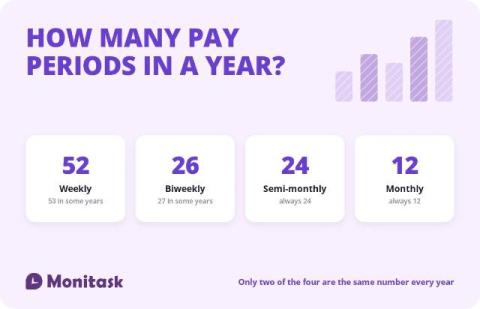
A year holds 52 weekly pay periods, 26 biweekly, 24 semi-monthly, or 12 monthly, depending on the schedule you run. Two of those figures are fixed and two are not. Semi-monthly and monthly are anchored to calendar dates, so they deliver exactly 24 and 12 every year without exception. Weekly and biweekly are anchored to a day of the week, and because 52 weeks covers only 364 days, they drift. Every 11 to 12 years the drift produces an extra cycle.

The FinOps Playbook: Closing the Gap Between Finance and Ops

Revenue is up, but profits aren’t. If that sentence feels familiar, it doesn’t mean there’s a problem with the work itself. The problem usually lies with how the people running the business are working together. This shows up most clearly in a disconnect between finance and ops. Instead of working side by side, they’re solving different puzzles in different rooms. And most likely using different data sets. That gap in collaboration is how margin leaks can go unnoticed.